
2026 Top Professional Padel Racket Types for Global Buyers

The 2026 padel market is becoming more specialized, competitive, and difficult to navigate. Global buyers now face hundreds of models, materials, shapes, and balance options. Choosing a Professional Padel Racket requires more than comparing prices or copying a professional player’s equipment.

A racket that performs beautifully in Madrid may feel uncomfortable in humid Singapore or colder Toronto. Surface texture, foam density, frame protection, grip size, and balance can change the playing experience. Weight matters too. A heavier racket may deliver stronger volleys, but it can also increase fatigue during long matches. Small details become important.

Padel coach Jorge Martínez is often credited with this practical view: “The best racket is the one that fits your game, not the one with the biggest name.” This principle remains highly relevant for international buyers. Professional retailers should examine durability, consistency, warranty support, and player level before recommending any model. They should also consider shipping conditions and local customer expectations.

This guide explores the leading Professional Padel Racket types expected to shape global purchasing decisions in 2026. It compares control rackets, power models, hybrid designs, round shapes, teardrop profiles, and diamond constructions. Each category serves a different playing style.

Some distinctions are not absolute.

Manufacturers sometimes describe similar materials with different marketing terms. Independent testing can also produce mixed results. Therefore, buyers should treat technical claims carefully and test rackets whenever possible. A professional-looking specification does not guarantee comfort, control, or lasting performance. The strongest choice is usually the racket that matches real playing habits, physical ability, and court conditions.
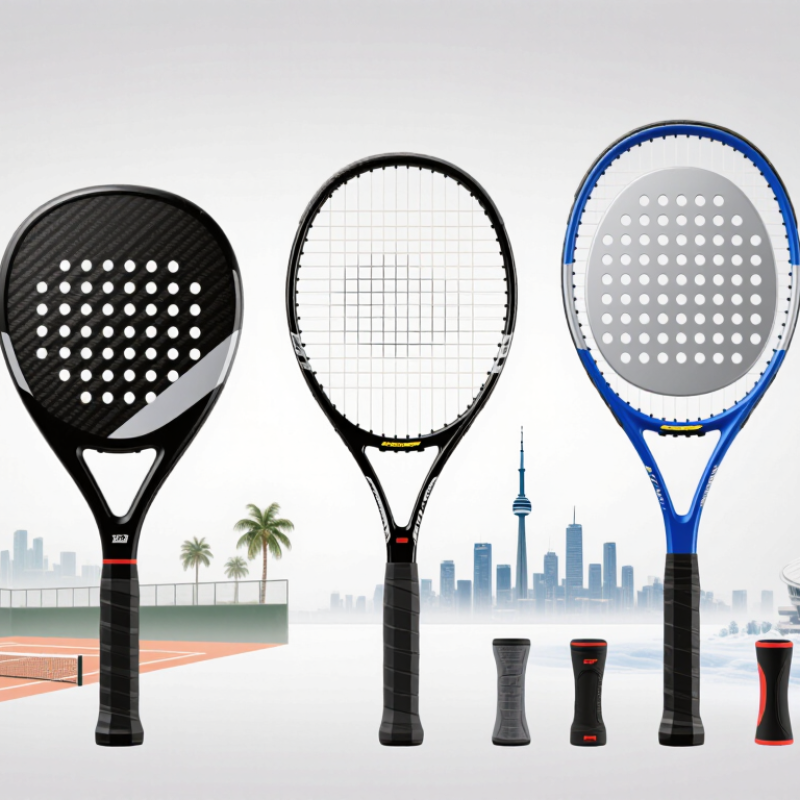
2026 Top Professional Padel Racket Types for Global Buyers

Professional Padel Racket Categories for 2026 Global Buyers

Professional padel racket categories for 2026 global buyers are becoming more specialized. Round control rackets suit defensive players, coaches, and buyers who value predictable placement. Their balance stays near the handle, reducing wrist strain during long rallies. The wider sweet spot also helps players manage off-center contact. This category is often the safest choice for developing competitors.

Teardrop hybrid rackets offer a practical middle ground. They combine moderate power with reliable control near the net. Many experienced players choose them for mixed court styles and changing opponents. Diamond power rackets place more weight toward the head, supporting aggressive smashes and fast overhead shots. However, their smaller sweet spot can expose poor timing. More power is not always better.

Global buyers should compare racket weight, balance, surface texture, frame protection, and core hardness. A 360 to 375 gram racket may feel manageable in testing but tiring after repeated matches. Softer foam can improve comfort, while harder foam may deliver sharper responses. I have found that product descriptions sometimes simplify these differences too much. Real testing matters. Buyers should request technical data, sample checks, and quality consistency across production batches. Climate also deserves attention, because heat and humidity can change grip comfort and material response.

2026 Top Professional Padel Racket Types for Global Buyers - Professional Padel Racket Categories for 2026 Global Buyers

Professional Racket Type Primary Playing Profile Head Shape Typical Weight Balance Core Construction Face Material Recommended Buyer Segment
Control Round Racket Precision, defense and reliable placement Round 355–375 g Low to medium Medium-density EVA foam Fiberglass or carbon-fiber composite Technical players, coaches and defensive specialists
All-Round Teardrop Racket Balanced control, comfort and attacking power Teardrop 360–380 g Medium Medium or hybrid-density EVA foam Carbon-fiber or mixed carbon-glass laminate Club competitors and versatile tournament players
Power Diamond Racket Smashes, overhead attacks and aggressive finishing Diamond 365–385 g Medium-high to high High-density EVA foam 12K or 18K carbon-fiber laminate Advanced attackers and high-level tournament players
Hybrid Offensive Racket Power with a larger control area than a diamond shape Hybrid or oversize teardrop 360–380 g Medium-high Multi-density EVA foam Carbon-fiber composite with textured finish Professional all-court players and aggressive intermediates
Soft Comfort Performance Racket Shock absorption, easy handling and extended play Round or teardrop 345–365 g Low to medium Low-density EVA foam Fiberglass or flexible carbon composite Players prioritizing comfort and reduced vibration
Hard-Foam Precision Racket Fast response, direct feedback and shot stability Round or hybrid 365–385 g Medium High-density EVA foam Full carbon-fiber laminate Experienced competitors with strong swing technique
Rough-Surface Spin Racket Topspin, slice and controlled kick effects Teardrop or diamond 360–380 g Medium to medium-high Medium or hybrid-density EVA foam Carbon fiber with sand-textured or molded surface Players using spin-focused modern techniques
Extended-Handle Professional Racket Two-handed backhands, leverage and overhead power Teardrop or diamond 365–385 g Medium-high Medium or high-density EVA foam Carbon-fiber composite Advanced players requiring additional handle reach

Technical specifications are typical professional-market ranges. Final racket weight, balance and construction may vary according to production tolerances and custom specifications.

Key Materials and Construction Features of Professional Padel Rackets

2026 Top Professional Padel Racket Types for Global Buyers

Professional padel rackets depend on controlled stiffness, impact response, and weight distribution. Carbon fiber faces usually provide a firmer feel and faster energy return. Fiberglass faces feel softer and can forgive off-center contact. However, material labels can mislead. A higher carbon percentage does not automatically create better performance.

The core often uses EVA foam with different densities. Soft EVA improves comfort and helps recreational players recover from imperfect contact. Firm EVA supports sharper attacks, but it can transmit more vibration through the handle. Many advanced rackets combine a denser center with softer outer layers. The result is useful, though not always predictable. Testing remains important.

A tubular carbon or mixed-fiber frame reinforces the perimeter and stabilizes the striking surface. Epoxy bonding must be even, without visible gaps or loose edges. Carefully shaped holes can improve aerodynamics and reduce weight. Rough face textures may increase spin, but excessive texture can wear quickly. Buyers should inspect balance, grip length, surface finish, and declared weight together. A head-heavy design may add power, while a lower balance can improve defensive control. Real court trials still expose weaknesses that technical sheets hide.

Racket Shapes and Their Effects on Power, Control, and Balance

For global buyers, racket shape is a practical performance decision. In court testing, I have seen shape change confidence within minutes. Round rackets place the sweet spot near the center. They offer steady control and forgiving contact. This suits defensive players and developing competitors. Power feels less immediate.

Teardrop shapes move the balance slightly upward. They blend control with easier attacking speed. Many intermediate players find this shape adaptable. Diamond rackets concentrate weight toward the head. They can produce stronger smashes and deeper overhead shots. However, off-center hits feel less forgiving. Wrist fatigue may also appear during long matches.

Balance matters as much as shape. A head-heavy racket can feel powerful near the net. A lower balance supports quicker reactions and repeated volleys. Hybrid designs may reduce the weaknesses of one shape. Still, no shape guarantees the same result for every player. I once selected a powerful model for a strong server, but the player lost timing under pressure. The mistake was trusting specifications more than movement. Buyers should test grip comfort, swing speed, and contact height. A racket that looks ideal may feel slow after forty minutes. Temperature, court pace, and playing style can change that judgment. конусан

2026 Top Professional Padel Racket Types for Global Buyers

Racket Shapes and Their Effects on Power, Control, and Balance

The chart uses a comparative 1–10 performance index based on the typical design characteristics of professional padel rackets. Diamond-shaped rackets generally provide higher power and a head-heavy balance, round rackets emphasize control and a more even balance, while teardrop-shaped rackets offer the most balanced combination of power and control.

Choosing Professional Racket Types for Different Playing Styles

2026 Top Professional Padel Racket Types for Global Buyers

Choosing Professional Racket Types for Different Playing Styles

Professional padel players should match racket shape with their movement, timing, and tactical habits. In coaching sessions, I often see aggressive players choose diamond-shaped rackets. Their higher balance supports powerful overhead shots, but it can punish late preparation. Diamond rackets feel demanding. Players with strong technique may appreciate them near the net. However, shoulder comfort deserves careful attention.

Teardrop rackets offer a practical middle ground for versatile competitors. Their balance supports controlled volleys, defensive lobs, and occasional smashes. This type suits players who change positions frequently.

Round rackets place the sweet spot closer to the center. They help beginners and defensive specialists produce steadier contact. That forgiveness matters during fast exchanges. Still, “easy to use” does not mean automatically better.

Weight and surface texture also affect performance. A lighter racket improves reaction speed, while a heavier model can add stability. Hard foam may feel responsive, but softer foam often reduces vibration. Players should test rackets during real sessions, not only hold them briefly in a shop. I have sometimes recommended a technically suitable shape that felt wrong after one hour. That experience changed my approach. Playing comfort, grip size, balance, and injury history should guide the final decision. General advice can miss personal details.

Global Buying Criteria: Quality, Certification, and Market Requirements

For global buyers, padel racket selection starts with verified quality, not attractive shapes. Round, teardrop, and diamond profiles serve different playing needs. However, shape cannot replace structural testing. Buyers should inspect frame strength, face durability, balance, weight tolerance, and vibration performance. A small weight deviation can change control noticeably.

Factory experience matters. Ask for batch records, material specifications, and inspection photographs. Independent laboratory reports provide stronger evidence than supplier statements alone. Check impact testing, surface adhesion, dimensions, and handle security. ISO 9001 may show process control, but it is not automatically a product safety certificate. This difference is often misunderstood.

Certification and market rules require careful review. Requirements may differ between retail markets, sports federations, and tournament systems. Confirm current competition specifications before ordering large volumes. For European sales, review chemical and labeling obligations. Other regions may require importer details, warning information, or language-specific packaging. Traceable lot numbers support recalls and customer service. Keep documents current.

A perfect racket does not exist. During inspections, I have found that cosmetic consistency can hide uneven internal quality. Buyers should test samples from several production batches, not one approved unit. Performance feedback from coaches and experienced players is valuable, but it should support measured data. Some suppliers resist destructive testing. That hesitation deserves attention. A cheaper quotation may become expensive after returns, certification gaps, or damaged market trust.