
7 Tips for Buying Mens Flight Jackets
A flight jacket should do more than complete an outfit. It should feel comfortable when you reach forward, sit down, or add a sweater underneath. Men's Flight Jackets come in different materials, cuts, and levels of warmth, so a familiar style can still be surprisingly difficult to choose. Small details matter.
Start with the jacket’s intended use. A lightweight nylon shell may suit mild, wet weather, while leather or a thicker insulated lining can feel warmer and more substantial. Check the product description carefully; “flight jacket” does not guarantee a particular level of insulation. If possible, compare garment measurements with a jacket you already own. Shoulder seams, sleeve length, and room across the chest can reveal more than a size label alone.
The right choice also depends on construction and upkeep. Look closely at zipper movement, cuff stitching, pocket placement, and lining quality. Try the jacket with clothes you normally wear, not just a thin shirt. That small test can prevent a cramped fit later. Materials age differently. Leather may need specific care, while some synthetic fabrics are easier to clean, but always follow the maker’s instructions.
These seven tips focus on practical checks before you buy: fit, fabric, warmth, workmanship, function, care, and value. They are useful whether you shop online or inspect a jacket in person. No checklist is perfect, and personal comfort can be hard to predict from photos. Still, a few careful comparisons can help you find a jacket that suits your routine—not just the trend of the moment.
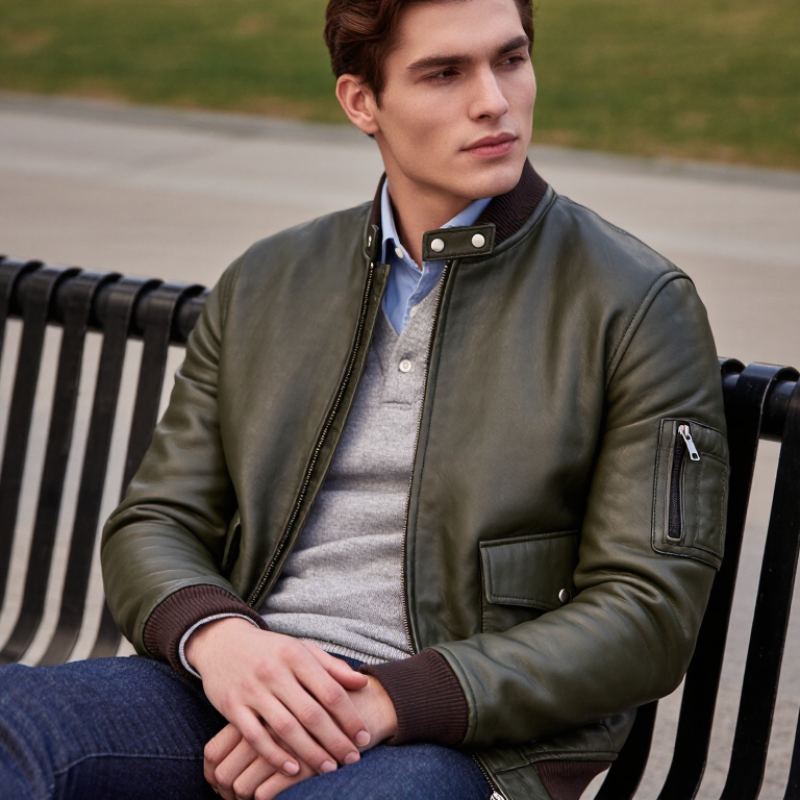
Identify the Flight Jacket Style That Suits Your Needs
Choosing a flight jacket starts with the job it must do, not its silhouette. For everyday commuting, a lightweight MA-1-style jacket suits mild weather and layers easily over a sweater. Its ribbed cuffs and hem help block drafts, but may feel snug over bulky clothing. Try it seated, too; sleeves can ride up at a desk or behind a steering wheel.
For colder, drier days, consider an A-2-style leather jacket, which usually has a firmer shape and needs room for a thin midlayer. A G-1-style collar adds coverage around the neck, though its extra bulk may feel warm indoors. Check shoulder seams, sleeve reach, and pocket access while wearing the clothes you actually plan to layer. Small details matter. I can overvalue a sharp fit on a hanger; movement tells a less flattering truth. Textile Exchange’s Materials Market Report 2024 estimates that polyester made up 57 percent of global fiber production in 2023. That figure does not prove a shell is durable or warm. It does make fiber content worth checking: compare shell fabric, lining, insulation, and care requirements before choosing a style.
7 Tips for Buying Mens Flight Jackets - Identify the Flight Jacket Style That Suits Your Needs
| Tip | What to Consider | Styles to Explore | Practical Buying Check |
|---|---|---|---|
| 1. Choose a style for your intended use | Flight jackets vary in shape, materials, and insulation. Decide whether you want a lightweight everyday layer, a warmer jacket, or a more traditional leather look. | MA-1-inspired styles are commonly lightweight and insulated; A-2-inspired styles are typically leather and unlined or lightly lined; G-1-inspired styles are leather and traditionally associated with a collar. | Check the product’s materials and lining rather than relying on the style name alone. |
| 2. Match insulation to your climate | A jacket’s warmth depends on its insulation, lining, shell, and fit. A classic flight-jacket look does not automatically mean it is suitable for cold or wet weather. | Lightly lined leather styles suit milder conditions; padded nylon styles can provide more warmth; some designs include a removable or fuller collar for added coverage. | Look for the lining material and care label, and check whether the manufacturer specifies water resistance. |
| 3. Check the fit and intended layering | Flight jackets often have a shorter body and a close-fitting waistband and cuffs. The right fit should allow comfortable movement without pulling across the shoulders. | Choose a trimmer fit for wearing over a shirt or thin sweater, or allow more room if you plan to layer over thicker clothing. | Compare chest, shoulder, sleeve, and body measurements with a jacket you already own. Check the seller’s size chart. |
| 4. Select a shell material that fits your routine | Leather and synthetic fabrics differ in weight, feel, upkeep, and performance. Material choice affects both appearance and everyday practicality. | Leather offers a structured look and needs material-appropriate care; nylon or other woven synthetics are often lighter and may be easier to maintain. | Read the shell composition and cleaning instructions. Do not assume leather or nylon is waterproof unless stated. |
| 5. Inspect construction and useful details | Zippers, seams, pockets, cuffs, and waistband affect durability and comfort. Rib-knit trim is common on many flight-jacket designs, but construction quality varies. | Consider whether you prefer a front zipper, secure pockets, a knit collar or waistband, and a sleeve pocket or other utility details. | Review close-up photos and product details for stitching, pocket closures, and zipper construction. |
| 6. Pick a color and silhouette you will wear often | A jacket is easier to wear regularly when its color and proportions work with your existing clothes. Flight-jacket styles can range from understated to highly distinctive. | Neutral shades such as olive, navy, black, and brown are versatile options. A shorter silhouette pairs naturally with jeans and casual trousers. | Check the garment measurements and product photos from multiple angles to assess length and volume. |
| 7. Consider care, value, and return terms | The purchase price is only one part of value. Material care, expected frequency of wear, and the ability to exchange an unsuitable size can all matter. | Choose a lower-maintenance fabric if easy care is a priority; choose leather only if you are comfortable following its specific care requirements. | Before buying, review the care label, warranty details if offered, and the return or exchange policy. |
Related Posts
-
Why Choose Escape Bags for Your Emergency Preparedness Needs?
-
China Top 10 Universal Shoulder Holsters Suppliers
-

2025's Top 5 Men's Shoulder Bags: Style, Functionality, and Trends
-
What Are the Top 10 Types of Baseball Caps for Buyers?
-
Why Choose Military Clothing for Your Wardrobe?
-

Global Leaders in Manufacturing Discover Top Quality Casual Belts Made in China