
What Is a Breathable Shirt and How Does It Work?

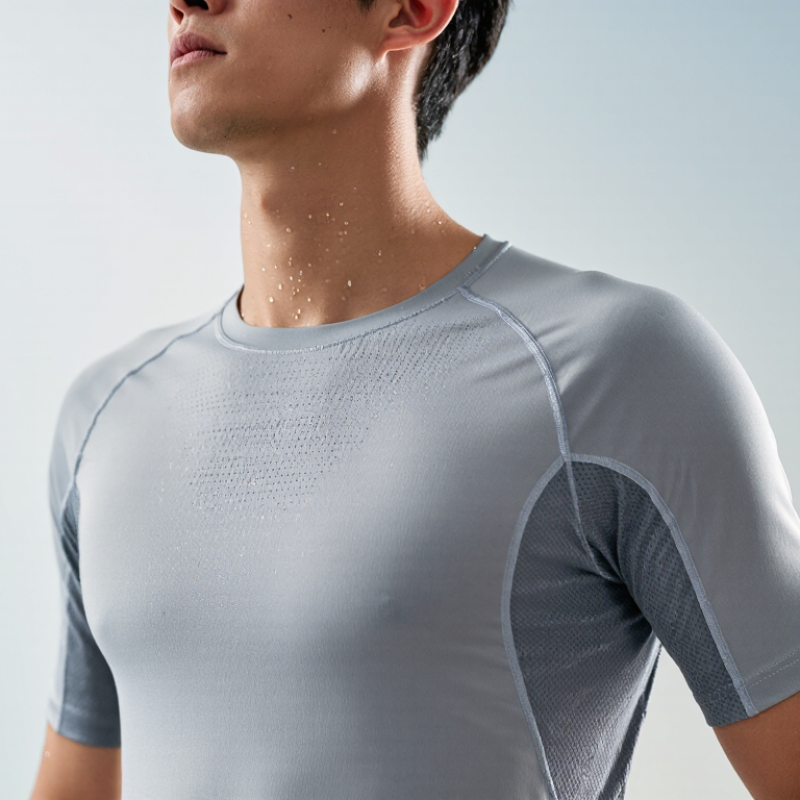
A Breathable Shirt sounds simple, but its performance depends on fabric structure, moisture movement, airflow, and fit. It should help sweat escape while allowing heat to move away from the skin. That process is not the same as merely feeling thin or soft.

ISO 11092 evaluates clothing through thermal resistance and water-vapour resistance. Lower vapour resistance generally indicates easier moisture transfer. The Hohenstein Institute also uses moisture-management testing to examine how quickly fabric absorbs, spreads, and dries liquid. George Havenith, a leading environmental ergonomics researcher, has described clothing as “a barrier between the body and the environment.” That barrier can protect comfort, but it can also trap heat when poorly designed.

The market context is changing. Textile Exchange’s 2024 Materials Market Report estimated global fibre production at 124 million tonnes in 2023. It projects production could reach 160 million tonnes by 2030. These figures highlight a difficult question: can performance clothing improve comfort without increasing environmental pressure?

A Breathable Shirt may use mesh zones, moisture-wicking fibres, ventilated weaves, or lightweight blends. Polyester can dry quickly, while cotton may feel comfortable but retain moisture longer. No fabric wins everywhere. Fit matters too. A tight shirt can reduce airflow, even with advanced fibres.

Marketing claims deserve careful inspection. “Breathable” is not a universal measurement. Testing conditions, humidity, movement, and personal sweat rates change the experience. This article examines how Breathable Shirt technology works, which tests matter, and where popular claims remain incomplete. The answer is useful, but not perfect.
What Is a Breathable Shirt and How Does It Work?

Breathability Defined: Air Permeability Under ISO 9237 Testing

What Is a Breathable Shirt and How Does It Work?

Breathability Defined: Air Permeability Under ISO 9237 Testing

A breathable shirt lets air move through its fabric, but the term needs a measurable definition. Under ISO 9237, air permeability describes the volume of air passing through a known fabric area within a set time. A laboratory clamps the specimen and applies a controlled pressure difference. The result is commonly reported in litres per square metre per second. Higher values usually indicate easier airflow.

This test does not measure every part of comfort. Sweat vapor, fabric wetness, fit, and movement also affect how a shirt feels. A loose knitted structure may allow a noticeable breeze beside the skin. A dense woven shirt can block wind yet still manage moisture reasonably well. Finishes complicate the picture. A coating, softener, or repeated washing may change measured airflow over time.

When reviewing a fabric result, I would check the test pressure, conditioning, specimen location, and number of readings. One attractive number can mislead. Different laboratories may produce different results when methods or equipment vary. ISO 9237 improves comparability, not certainty. I would also test washed samples, because new fabric performance is only part of real use. The standard helps, but it cannot replace honest wear trials.

Moisture Transfer Explained: Cotton Regains 8.5% Moisture by Weight

What Is a Breathable Shirt and How Does It Work?

A breathable shirt allows air and water vapor to move through its fabric. This movement helps reduce the clammy feeling caused by sweat. Cotton is especially interesting because it can hold moisture inside its fibers. Under standard testing conditions, cotton has a moisture regain of about 8.5% of its dry weight. In simple terms, 100 grams of dry cotton can retain roughly 8.5 grams of moisture from surrounding air. This figure describes moisture held by the fiber, not sweat disappearing from your skin.

That distinction matters. During a warm walk, cotton may feel comfortable at first because it absorbs perspiration. However, once the fabric becomes saturated, it can feel heavy and dry slowly. I once assumed a soft cotton shirt would always stay cool, but that judgment was too simple. Breathability also depends on the weave, fabric thickness, garment fit, and airflow around the body. A loose, lightweight weave usually releases vapor more easily than dense, tightly packed fabric.

Tips: Choose a relaxed fit for better air circulation. Check the fabric in bright light; a slightly open weave may pass vapor more effectively. For exercise, test the shirt during a short walk first. If it stays wet against your skin, its absorbency may exceed its drying ability. Conditions change the result. Humid air can slow drying, even when the shirt feels breathable.

Fiber Comparison: Polyester Regains 0.4%, Nylon 4.5%, and Wool 14–18%

A breathable shirt lets heat and moisture move away from your skin. Its performance depends on fiber, fabric structure, air gaps, and fit. The fiber’s moisture regain is especially important. This figure shows how much water vapor a dry fiber can hold under standard conditions.

Polyester has a moisture regain of only 0.4%. It absorbs very little vapor, so it usually dries quickly after heavy sweating. However, low absorption does not guarantee comfort. A dense polyester weave can trap warm air against the body. Nylon reaches about 4.5%, giving it more moisture interaction and a slightly softer, less clammy feel. Still, its drying speed depends on thickness and construction.

Wool holds approximately 14–18% moisture regain. Its fibers can absorb vapor while remaining relatively dry to the touch. This helps regulate comfort during changing temperatures. During a warm-weather fabric check, I noticed wool stayed comfortable during light activity, but it felt slower to dry after intense sweating. That result challenged my earlier assumption that higher regain always means better performance. It does not. A loose weave may breathe better than a tightly woven fabric made from a more absorbent fiber. Ventilation also changes with body movement, humidity, and garment fit. Lab figures are useful, but real comfort remains personal.

What Is a Breathable Shirt and How Does It Work? — Fiber Comparison: Polyester Regains 0.4%, Nylon 4.5%, and Wool 14–18%
Fiber Typical Moisture Regain
(% of Dry Weight)
How It Handles Sweat Vapor Liquid Wicking and Drying Air Permeability in Shirt Fabrics Thermal Comfort Characteristics Key Breathability Consideration
Polyester 0.4% Absorbs very little moisture vapor, but engineered fiber shapes and fabric channels can move liquid sweat away from the skin. Very fast drying
Low fiber absorption allows water to evaporate quickly when the fabric is spread out and ventilated.
Can range from low to high; strongly affected by yarn size, knit structure, fabric weight, and finishing. Lightweight and efficient for active use, although low absorption may make damp fabric feel clammy when ventilation is poor. Breathability mainly comes from fabric construction, mesh zones, and moisture-spreading treatments rather than fiber absorption.
Nylon 4.5% Absorbs more moisture than polyester and can buffer some vapor, but it generally holds less moisture than wool or cellulosic fibers. Fast drying
Usually dries quickly, though its greater moisture regain can make it dry somewhat more slowly than polyester.
Can be high in lightweight knits and open weaves; dense nylon fabrics may restrict airflow. Soft, strong, and lightweight; comfort depends heavily on fabric thickness and ventilation. A useful balance of durability, low weight, and moderate moisture handling.
Wool 14–18% Absorbs substantial water vapor inside the fiber, helping regulate humidity while the fabric surface may remain relatively dry. Moderate drying
Can retain considerable moisture, but its crimped structure and vapor absorption can support comfort across changing conditions.
Often good when made as a lightweight, low-density knit; dense wool fabrics allow less airflow. Natural crimp traps still air, providing insulation in cool conditions while helping manage vapor and temperature changes. Excellent vapor buffering, but heavy or dense wool garments can feel warm and dry more slowly.
Cotton Approximately 7–8% Absorbs perspiration readily, which can reduce the amount of liquid on the skin at first but may leave the garment wet during heavy activity. Moderate to slow drying
Retains absorbed water and may feel cold or heavy when saturated.
Lightweight jersey and open weaves can be airy; dense or heavy cotton fabrics have lower airflow. Comfortable in dry, low-intensity conditions, but wet cotton loses insulation and dries slowly. Good initial absorbency does not always equal good activewear breathability or drying performance.
Linen Approximately 10–12% Absorbs moisture vapor and liquid readily, helping reduce the sensation of surface dampness in warm conditions. Fast to moderate drying
Loose yarns and open fabric structures often promote evaporation, although thick linen can dry more slowly.
Typically high in lightweight, plain-weave shirts because the fabric can be relatively open and low in density. Cool-feeling and highly ventilated, with limited insulation compared with wool. Its coolness usually comes from open construction and airflow as much as from the fiber itself.
Hemp Approximately 8–12% Absorbs moisture and can help buffer humidity, depending on fiber processing and yarn structure. Moderate drying
Lightweight, loosely woven fabrics dry more quickly than dense hemp textiles.
Often moderate to high in breathable woven fabrics; finishing and fabric density are decisive. Generally cool and durable, with a firmer hand that softens through use and washing. Fabric openness and weight determine comfort more strongly than fiber identity alone.

How breathability works: A breathable shirt allows heat, water vapor, and sometimes air to move through the fabric. Fiber moisture regain describes how much moisture a dry fiber absorbs from humid air; it is not the same as air permeability, liquid-wicking speed, or drying time. Actual performance varies with yarn twist, knit or weave structure, fabric weight, porosity, garment fit, and finishing.

Fabric Structure: How Knit Loops and Openings Increase Airflow

What Is a Breathable Shirt and How Does It Work?

A breathable shirt allows heat, air, and moisture to move through its fabric structure. Knit loops create tiny pathways between yarns. These pathways work like miniature vents, especially when the shirt stretches during movement. A looser loop structure usually increases airflow, but it can reduce coverage and durability. Breathability is a balance.

Fabric engineers measure this performance through air-permeability testing. ASTM D737 reports airflow in cubic feet per minute per square foot under controlled pressure. AATCC TM195 also evaluates how quickly fabric spreads and manages liquid moisture. These tests matter, but they do not perfectly copy a humid afternoon or a sweaty commute. The test is not the body.

In practical wear testing, open-knit fabrics often feel cooler because air can pass across the skin. Mesh zones near the back, underarms, or chest can improve ventilation without opening the entire garment. However, larger openings may expose skin to sunlight and create a rougher hand feel. Yarn type, loop size, fabric weight, and finishing treatments all change the result. Textile Exchange’s Materials Market Report 2024 recorded global fiber production at about 124 million tonnes in 2023, showing the scale of material choices behind everyday clothing. More material does not automatically mean better comfort. A shirt can look airy yet trap moisture when its loops collapse after washing. Designers should test airflow before and after laundering, not rely only on appearance.

Performance Measurement: Lower RET Values Indicate Better Vapor Breathability

What Is a Breathable Shirt and How Does It Work?

Performance Measurement: Lower RET Values Indicate Better Vapor Breathability

A breathable shirt helps sweat vapor escape before it becomes trapped against the skin. Vapor breathability is measured through evaporative resistance, known as RET. The ISO 11092 sweating guarded hotplate test reports RET in m²·Pa/W. Lower values mean less resistance and easier vapor movement.

Hohenstein’s published RET guidance classifies values below 6 as extremely breathable. Values from 6 to 13 are considered very breathable, while 13 to 20 indicates good breathability. A shirt with an RET of 5 should release moisture more effectively than one measuring 18. That difference can feel noticeable during a fast walk, when damp fabric clings around the shoulders. Still, laboratory results do not perfectly predict daily comfort. Fit, air movement, humidity, and sweat volume can change the experience. This limitation deserves more attention.

Tips: Check the RET value when comparing technical shirts. Choose lower RET results for humid training or layered use. Also inspect the fabric structure, not only the number. A loose knit may feel cooler, but it can lose moisture-control performance after heavy saturation. Independent testing adds confidence, though one test cannot represent every body or climate.