How to Buy Second Hand Clothes in UAE for Global Buyers?
Buying Second Hand Clothes Uae has become a practical option for global shoppers seeking value, variety, and more circular fashion choices. The market is no longer limited to informal local selling. Professional resale platforms, curated boutiques, and specialist retailers now offer clearer product descriptions, photographs, and delivery options. ThredUp’s 2025 Resale Report, prepared with GlobalData, projects the global secondhand apparel market to reach 367 billion dollars by 2029. This growth reflects changing buyer habits, especially among younger consumers who compare price, quality, and environmental impact.
The UAE is an interesting sourcing market because Dubai connects sellers, brands, logistics providers, and international customers. Still, cross-border purchasing requires careful attention. Buyers should examine fabric labels, measurements, visible wear, seller history, and return terms before paying. A photograph may hide fading around a collar or small damage near a zipper. Ask for close-up images. Check whether the seller ships to your country and whether duties, taxes, or import restrictions may apply. Requirements can differ between the UAE and the buyer’s destination.
The process is not always tidy. That matters. A reliable guide must acknowledge uncertainty, not promise perfect bargains. There is also limited public data covering every UAE resale channel, so market claims should be checked against current platform information. The Ellen MacArthur Foundation’s circular-fashion principles support extending garment life through reuse and responsible purchasing. This guide combines those principles with practical buying checks, transparent risk awareness, and experience-based advice. It is designed to help global buyers purchase confidently while respecting product authenticity, consumer safety, platform policies, and applicable trade regulations.
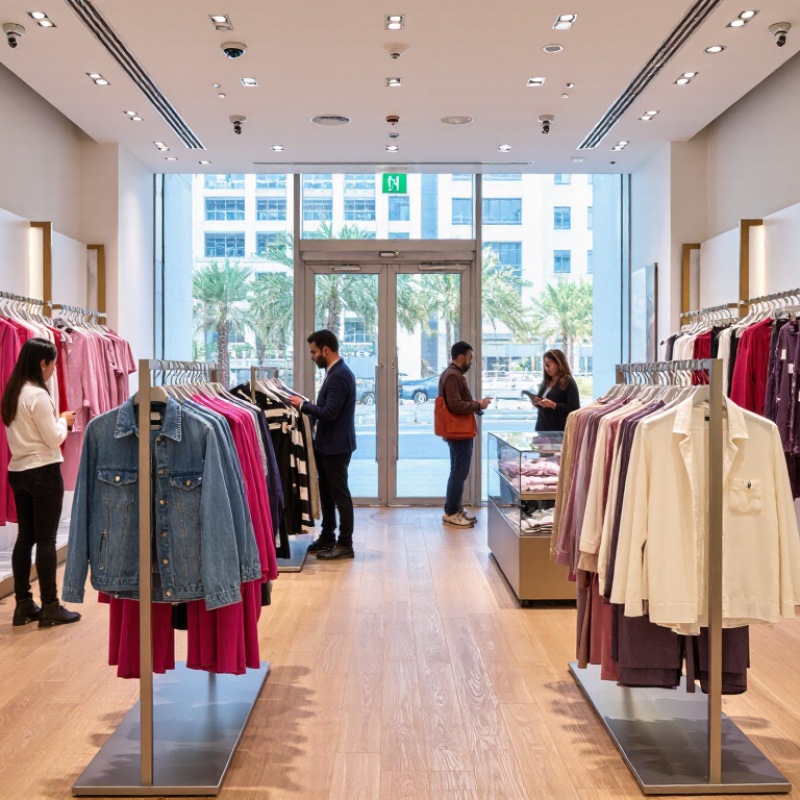
Define Your Second-Hand Clothing Needs and Budget in the UAE
Before buying second-hand clothes in the UAE, define what you actually need. A work shirt, modest evening wear, or lightweight travel clothing requires different choices. Check your size, preferred fabric, color range, and acceptable wear level. UAE weather also matters. Breathable cotton and linen often feel more practical than heavy materials. Write a short list before browsing. Otherwise, attractive low prices can quietly expand your wardrobe.
Set a realistic budget in UAE dirhams. Include the item price, delivery, possible alterations, and cleaning costs. For example, a 40-dirham shirt may need 25 dirhams for tailoring and professional cleaning. Compare the total cost, not only the displayed price. Experienced buyers inspect collars, cuffs, seams, zippers, and underarm areas. Ask for clear photos in natural light. Request measurements, because labels can differ between sellers and countries. I once underestimated alteration costs. That mistake changed how I compare bargains.
Tips: Divide your budget into needs and experiments. Spend most on essential pieces, then reserve a small amount for unusual finds. Check seller reviews, return conditions, and payment security before confirming an order. Avoid rushed decisions. If the description feels vague, ask specific questions about stains, odors, repairs, and fabric condition. Keep a simple record of prices and sizing. It may seem unnecessary, but it helps reveal repeated overspending.
How to Buy Second Hand Clothes in UAE for Global Buyers? - Define Your Second-Hand Clothing Needs and Budget in the UAE
| Clothing Need | Typical Second-Hand Condition | Indicative UAE Budget per Item (AED) | Approximate USD Equivalent | What to Check Before Buying | Global Buyer Consideration |
| Basic T-shirts and casual tops | Good used condition with minor signs of wear | 20–60 | 5–16 | Underarm marks, collar stretching, fabric pilling, and shrinkage | Confirm chest, shoulder, and total garment measurements rather than relying only on the size label |
| Trousers, jeans, and skirts | Good to very good condition | 35–120 | 10–33 | Waist, rise, inseam, hem condition, zipper function, and seat-area wear | Ask for measurements in centimetres and verify whether the fabric has stretch |
| Dresses and occasion clothing | Very good condition or lightly worn | 60–220 | 16–60 | Lining, stains, alterations, missing fasteners, and fabric transparency | Include possible tailoring costs and check the garment’s suitability for the destination climate |
| Light jackets and blazers | Good to excellent condition | 80–280 | 22–76 | Shoulder structure, sleeve length, lining, button condition, and odour | Request shoulder-to-shoulder and sleeve measurements to reduce international returns |
| Winter coats and heavier outerwear | Very good condition with clean insulation or lining | 120–450 | 33–122 | Insulation, moisture damage, odour, seam condition, and storage marks | Compare the item’s weight and shipping cost with its expected value before purchase |
| Sportswear and activewear | Good condition with intact stretch and seams | 30–130 | 8–35 | Elastic recovery, fabric thinning, odour, stains, and seam separation | Ask whether the item has been washed and follow the stated hygiene and care information |
| Children’s clothing | Good condition with no major damage | 15–70 | 4–19 | Safety-related loose parts, stains, sharp decorations, and accurate age sizing | Check local safety rules and avoid items with damaged fasteners or detachable small parts |
| Accessories such as scarves, belts, and hats | Good to excellent condition | 15–100 | 4–27 | Odour, fraying, cracks, stains, missing hardware, and material wear | Accessories are lightweight, but packaging and shipping can represent a larger share of total cost |
| Budget planning note: The AED ranges are indicative planning estimates for second-hand clothing in the UAE and are not fixed market quotations. USD conversions use the UAE dirham’s fixed exchange-rate relationship of approximately AED 3.6725 to USD 1. Add shipping, payment fees, possible duties or taxes, tailoring, and cleaning costs to the item budget. |
Find Reliable UAE Platforms, Markets, and Sellers
Global buyers can find quality second-hand clothes in the UAE through resale platforms, community listings, and local markets. Start with UAE-based platforms that show seller profiles, item photos, prices, and transaction records. Reliable sellers usually answer questions clearly and provide close-up images of labels, seams, zippers, and fabric wear.
Ask about measurements, purchase date, storage conditions, and visible defects. A short video can reveal stains or color differences better than edited photographs. Choose payment methods with buyer protection when available. Avoid direct transfers when the seller refuses basic verification. Clear communication matters.
Local markets may offer lower prices and useful bargaining opportunities, but inspection becomes essential. Check garments under bright light and examine collars, cuffs, pockets, and inner seams. For overseas delivery, confirm shipping costs, tracking, return options, and import requirements in your country. I once underestimated package weight, and the final delivery cost changed the bargain completely. That mistake still matters.
Seller reviews help, but they are not proof. Recent activity, consistent photos, and realistic pricing provide stronger signals. Be cautious with urgent offers or vague descriptions. Some sellers may not understand international sizing, so compare measurements with a garment you already own. A careful purchase can travel far.
How to Buy Second-Hand Clothes in the UAE for Global Buyers
This climate guide shows representative long-term average daytime temperatures in Dubai, helping global buyers choose suitable second-hand clothing. Lightweight and breathable items are generally more practical for most of the year, while light layers are useful during the cooler winter months and in strongly air-conditioned indoor spaces.
Check Clothing Quality, Authenticity, Sizes, and Condition
Buying second-hand clothes in the UAE requires more than attractive photos. Start with clear, natural-light images of the front, back, seams, cuffs, and inner labels. Ask about fabric content, age, alterations, and storage conditions. I have learned that a clean-looking collar can hide weakened stitching. Request close-ups of stains, fading, pilling, missing buttons, and zipper movement. Small flaws matter.
For authenticity, compare the label’s spelling, spacing, care instructions, and stitching with reliable reference images. Ask for purchase history when available, but treat receipts as supporting evidence, not absolute proof. A professional seller should answer precise questions and disclose uncertainty. Avoid listings with copied photos or pressure to pay quickly. One image cannot prove authenticity. That limitation deserves honesty.
Never rely on a listed size. Measure the chest, waist, shoulders, sleeves, rise, and total length in centimeters. Compare these measurements with a garment you already own. UAE heat and humidity may affect storage, so check for yellowing, mildew smells, brittleness, or hidden moisture damage. Ask whether the item was washed, repaired, or tailored. Confirm return terms and delivery costs before payment. Cross-border returns can be expensive. Keep screenshots of the listing and messages. My own mistake was trusting a familiar size; the shoulders were too narrow. Measure twice.
Compare Prices, Shipping Options, and Import Requirements
Buying second-hand clothes from the UAE can be cost-effective, but the listed price is only the beginning. The 2024 Resale Report, produced by ThredUp with GlobalData, estimates that the global second-hand apparel market could reach 350 billion US dollars by 2028. That growth creates more choice, but also more inconsistent grading. Check fabric condition, measurements, stains, odours, and clear garment photographs before paying. Ask for missing details. Small flaws matter.
Compare the delivered cost, not the item price. Economy postal shipping usually suits lighter, non-urgent parcels, while express couriers offer tracking and faster customs processing. Freight consolidators may reduce costs when several purchases share one shipment. DHL’s 2024 E-Commerce Trends Report identifies delivery cost and speed as major purchase influences, which matches practical buying experience. A cheap jacket can become expensive after shipping, insurance, and handling fees. Use a simple spreadsheet.
For imports into the UAE, the recipient may need an invoice, packing list, shipment tracking number, and identification details. Customs generally assesses duty using the tariff classification and declared value. A 5% customs duty and 5% VAT are common reference points, but exemptions and treatment can vary by shipment type and origin. Confirm the HS code and current rules through UAE customs or the Federal Tax Authority. Do not underdeclare value; it can delay clearance. Regulations change, and online advice is sometimes outdated. Clothes labelled “used” may still need accurate descriptions, not vague wording.
Complete a Safe Purchase and Arrange International Delivery
Buying second-hand clothes in the UAE can work well for global shoppers, but safe delivery requires careful preparation. The 2024 Resale Report by ThredUp and GlobalData projects the global second-hand apparel market will reach $350 billion by 2028. That growth increases choice, but also creates more room for unclear descriptions and misleading photos.
Ask the seller for close images of cuffs, seams, labels, zippers, and stains. Request exact measurements, not only a listed size. A soft measuring tape beside the garment creates useful proof. Confirm the fabric, condition, purchase price, and shipping cost in writing. I still find small flaws after buying, especially under bright indoor lighting. Sellers can miss them too.
Choose tracked international delivery and keep the parcel number until arrival. Use strong, dry packaging, but avoid excessive wrapping that may increase shipping weight. Ask the courier about destination taxes, customs procedures, and prohibited textile conditions before payment. The World Trade Organization reports that customs delays often depend on accurate declarations and documentation. Write a clear description, realistic value, quantity, and country of origin. Do not mark clothing as a gift to reduce charges. DHL’s 2024 E-Commerce Trends Report also highlights delivery visibility as a major factor in customer trust. A tracking page helps, though it cannot prevent every delay. Keep screenshots, invoices, messages, and parcel photographs. Mistakes happen. Careful records make disputes easier.