How to Choose Fashionable Safety Shoes for Workplace Safety?
When it comes to workplace safety, choosing the right footwear is essential. Fashionable Safety Shoes have become a necessity, blending style with protection. According to Sarah Johnson, a renowned expert in occupational safety, "Stylish and safe shoes can boost worker morale while reducing injury risks."
Fashion is often overlooked in safety gear. Many people assume that safety shoes cannot be stylish. Yet, a wide variety of fashionable options exist today. From sleek designs to vibrant colors, there is something for everyone. The challenge lies in balancing aesthetics with safety features.
Workers should prioritize comfort and support. An attractive shoe should fit well and provide the necessary stability. Styles with slip-resistant soles and reinforced toe areas are crucial for high-risk environments. Ultimately, the goal is to create a workplace where employees feel good and stay safe. Fashionable Safety Shoes can play a key role in achieving this balance.
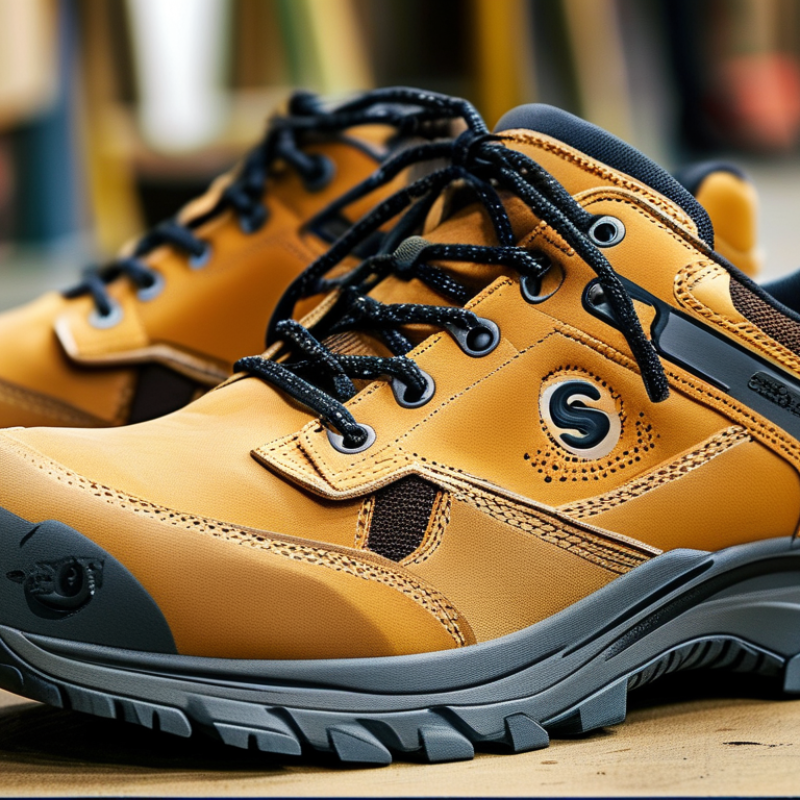
Factors to Consider When Selecting Safety Shoes for Work Environments
When selecting safety shoes for work environments, various factors come into play. Comfort is paramount. A poorly fitting shoe can lead to discomfort and distraction. Look for options that provide ample cushioning. This will help maintain focus on tasks rather than on sore feet.
Another crucial factor is the shoe’s protective features. Depending on your job, you may need steel-toed shoes, slip-resistant soles, or waterproof materials. Each workplace has unique hazards. Choose shoes that cater to the specific risks you face. Don't compromise on safety; the right pair could safeguard against serious injuries.
Tips: Always try shoes on with the socks you typically wear at work. Walking around helps determine the fit. Consider how breathable the material is. Shoes need to keep your feet dry and comfortable during long hours. Check for the manufacturer's certification on safety standards. This adds reliability to your choice. Reflect on your daily activities. Are your shoes up to the task?
Understanding Safety Standards: ASTM, ANSI, and ISO Certifications
Understanding safety standards is crucial when selecting fashionable safety shoes. Key certifications to consider are ASTM, ANSI, and ISO. Each plays a significant role in ensuring your safety at work. ASTM, or the American Society for Testing and Materials, focuses on performance and testing methods. Shoes that meet ASTM standards provide basic protection against various workplace hazards.
ANSI, the American National Standards Institute, adds another layer of guidance. It emphasizes the need for additional testing, particularly for slip resistance and impact protection. OSHA often recognizes ANSI standards as part of workplace safety regulations. ISO, on the other hand, offers an international perspective. While it may not be commonly referenced in the U.S., understanding its criteria can provide insights into global safety practices.
Consider the specific risks in your workplace. If your environment includes heavy machinery, look for shoes with both ASTM and ANSI certifications. Remember, even stylish shoes must meet these standards. The design should support safety features without compromising comfort. Reflect on previous choices; sometimes, style overshadows function. Prioritize comfort paired with necessary safety features for a complete solution.
Fashionable Safety Shoes Standards Comparison
This chart compares the safety ratings of different safety shoe standards: ASTM, ANSI, and ISO. The values represent the percentage level of safety provided by each standard, aiding in the selection of fashionable yet safe footwear for the workplace.
Materials and Technology in Fashionable Safety Shoe Designs
Choosing fashionable safety shoes for the workplace is about balancing style and protection. The materials used in safety shoes greatly influence their performance. Modern designs utilize synthetic materials and leather to enhance durability while ensuring comfort. Look for shoes with breathable fabrics to keep feet dry and reduce fatigue during long work hours.
Technology also plays a key role in safety shoe innovations. Advanced cushioning systems absorb impact, making shoes more comfortable. Slip-resistant soles provide stability on various surfaces, preventing slips and falls. Some designs incorporate steel-toe caps or composite materials for added safety without compromising style.
Tip: When selecting shoes, consider trying them on later in the day. Feet swell, making it crucial to find the right fit. Choosing shoes with moisture-wicking properties can also enhance comfort. Reflect on the balance between aesthetics and functionality; sometimes, the trendiest designs may lack necessary features for your specific workplace safety needs.
The Role of Comfort and Fit in Workplace Safety Footwear
When selecting safety shoes for the workplace, comfort and fit play pivotal roles. A recent study by the American Society of Safety Professionals highlights that more than 70% of employees experience foot fatigue due to poor footwear choices. This fatigue can lead to decreased productivity and increased risk of workplace accidents.
Choosing footwear that fits properly is crucial. Shoes that are too tight can cause blisters, while those that are too loose may increase the risk of slips and falls. The ideal safety shoes should allow for a thumb's width of space at the toe. Additionally, choosing shoes with good arch support can significantly alleviate discomfort throughout a long workday.
Tips: Always try on shoes later in the day when your feet are slightly swollen. This can help ensure a better fitting. Consider the material; breathable fabrics can reduce moisture and sweating, enhancing comfort. Regularly check for wear and tear, as even minor damage can compromise safety. Prioritize comfort just as much as safety standards; they go hand in hand.
Trends in Style and Functionality of Safety Shoes in Various Industries
The modern workplace demands safety shoes that combine style with practicality. Different industries present unique challenges, influencing footwear design. In construction, shoes need to protect against heavy impacts, while hospitality staff prioritize comfort for long hours on their feet. This dual focus on functionality and aesthetics is becoming essential.
Choosing the right safety shoes involves understanding both trends and needs. Always consider slip resistance. The right sole can prevent accidents on slick surfaces. Look for shoes that offer padded support. Ergonomics is vital, especially for those standing all day.
While it's tempting to choose the latest styles, remember to prioritize safety. Not all trendy designs meet safety standards. Some may lack adequate protection despite appearing attractive. Reflect on your work environment and the specific hazards you face. This insight can guide your choice, ensuring that fashion does not sacrifice safety.
How to Choose Fashionable Safety Shoes for Workplace Safety? - Trends in Style and Functionality of Safety Shoes in Various Industries
| Industry | Style | Functionality | Materials | Price Range |
| Construction | High-top Boots | Steel toe, Slip-resistant | Leather, Rubber | $80 - $150 |
| Manufacturing | Sneaker Style | Anti-fatigue, Oil-resistant | Synthetic, Mesh | $60 - $120 |
| Healthcare | Clogs | Slip-on, Easy to Clean | Plastic, Foam | $30 - $80 |
| Logistics | Mid-top Shoes | Lightweight, Breathable | Mesh, Leather | $50 - $100 |
| Food Service | Dress Shoe Style | Waterproof, Slip-resistant | Leather, Rubber sole | $70 - $130 |