7 Tips for Choosing the Best Escape Bags for Global Buyers

Choosing the right Escape Bags is more than comparing colors, prices, and storage capacity. Global buyers need dependable products for uncertain situations. A practical bag should protect essential items, remain comfortable during movement, and perform across different climates. Heavy rain, dusty roads, crowded transport, and limited storage can quickly expose weak materials.

Preparedness expert Dr. Irwin Redlener has emphasized, “Preparedness is not a destination; it is a process.” This idea matters when evaluating Escape Bags for families, retailers, institutions, and international distributors. Look closely at fabric strength, zipper quality, stitching, reflective details, load balance, and accessible compartments. A useful design may hold water, first-aid supplies, documents, clothing, and basic communication tools without becoming painfully heavy. Small details matter. A broken buckle can ruin an otherwise excellent bag.

The following seven tips examine product purpose, capacity, materials, comfort, weather resistance, supplier reliability, and compliance expectations. Buyers should also request samples and test them in realistic conditions. A polished product photograph proves very little. It does not show whether the shoulder straps cut into the skin after two hours. Nor does it reveal how the fabric behaves after repeated exposure to moisture.

There is no perfect Escape Bags checklist. Some buyers may overvalue low prices, while others may purchase features they never use. That mistake is easy to make. A careful decision balances safety, usability, verified quality, and local customer needs. Standards and import requirements can differ between markets, so responsible buyers should confirm current rules before placing large orders.
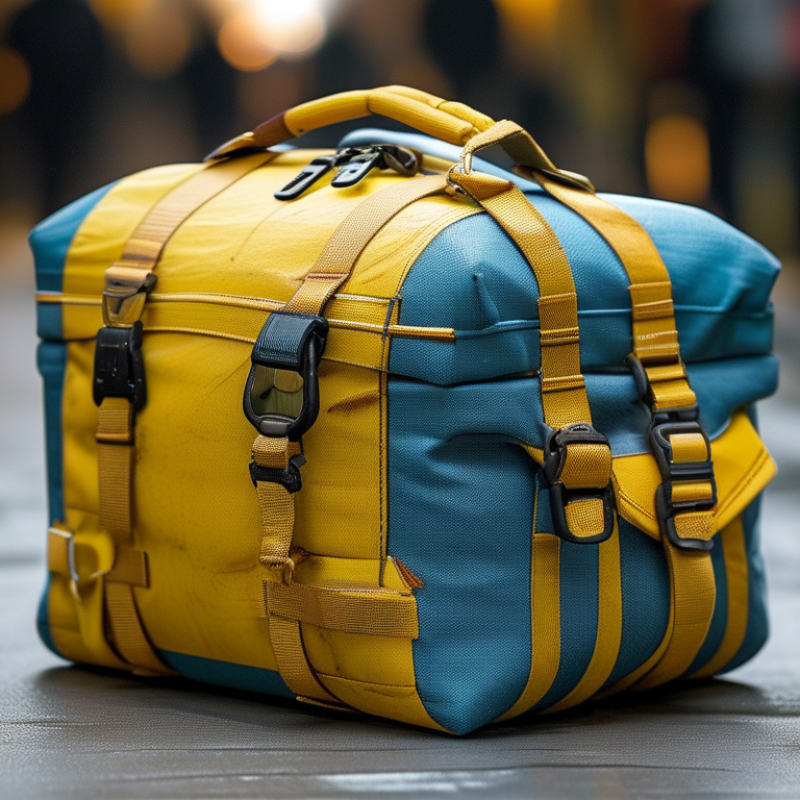
7 Tips for Choosing the Best Escape Bags for Global Buyers

Understanding Escape Bags and Their Main Uses

An escape bag is a compact emergency bag for leaving home, work, or a vehicle quickly. It is not a camping kit or a substitute for professional rescue services. Its main purpose is simple: support basic needs during evacuation, transport delays, power loss, or sudden shelter changes. Typical contents include drinking water, shelf-stable food, a first-aid kit, a flashlight, spare batteries, a phone charger, hygiene items, and copies of essential documents.

The best contents depend on location and personal needs. Buyers should consider climate, language, local transport, family size, and available storage space. A cold region may require thermal layers, while a hot region may need extra water protection.

Check guidance from local emergency authorities before purchasing. Regulations for medicines, batteries, and food can differ between countries. Reliable bags should have strong stitching, comfortable straps, clear compartments, and water-resistant material. Test every zipper.

I once overpacked an emergency bag and could barely carry it upstairs. That was a useful mistake. A bag that stays unused because it is too heavy has limited value.

Choose practical items, inspect expiry dates, and rehearse carrying the bag for ten minutes. Keep it accessible. Not buried in a closet.

A small contact card, written in the local language, may help when phone networks fail. Needs also change, so review the bag after each season or household change.

Assessing Size, Capacity, and Everyday Carry Requirements

Choosing the best escape bag begins with an honest estimate of daily needs. A compact 15–20 liter bag may suit short trips, commuting, or warm climates. Larger 30–40 liter models provide room for layered clothing, water, food, and basic first-aid supplies. Bigger is not always better. An overloaded bag can slow movement and strain your shoulders.

Measure the items you genuinely carry before selecting capacity. Place a folded jacket, water bottle, power bank, toiletries, and important documents on a table. Then test whether they fit without crushing fragile items. Look for separate compartments and wide openings. These details make access easier in dim rooms or crowded transport. A practical bag should feel balanced when carried for thirty minutes.

Everyday carry requirements differ across regions and lifestyles. Buyers in rainy areas may need weather-resistant fabric and protected zippers. People facing long commutes may value breathable back panels and adjustable straps. Check the empty weight carefully. A durable bag can still become inconvenient if it feels heavy before packing. Try walking, bending, and climbing stairs with a realistic load. I once preferred extra pockets, but they encouraged unnecessary packing. That was a useful mistake. Choose lawful, ordinary essentials, and leave space for unexpected needs.

Comparing Materials, Durability, and Weather Resistance

When buyers compare escape bags for global travel, material choice should match the climate, not just the catalog photograph. Coated nylon is light and resists brief rain, while canvas feels stronger but absorbs moisture. Polyester often offers stable color and useful abrasion resistance. Check the fabric denier, seam stitching, and coating thickness. Thin material can look impressive indoors. It may fail beside rough walls.

Durability depends on the whole construction. Bar-tacked handles, reinforced corners, and smooth, load-rated zippers reduce common failure points. Test the bag with realistic weight before ordering in volume. Lift it repeatedly. Pull the zipper around a full corner. A strap that feels secure when empty may stretch under equipment. My early assessments were too optimistic; appearance is not evidence. Ask for abrasion, tensile, and zipper-cycle test records from the supplier, preferably from an independent laboratory.

Weather resistance needs a specific claim. Water-repellent fabric is not the same as a waterproof bag. Look for sealed seams, covered zippers, and a stated hydrostatic-pressure rating. In humid regions, lining material should dry quickly and resist odor. In cold markets, brittle coatings and stiff buckles deserve attention. No bag performs perfectly everywhere. Salt air, dust, heat, and repeated folding expose weaknesses that short showroom tests miss. Request samples, inspect them after simulated rain and sunlight, then record the results honestly.

7 Tips for Choosing the Best Escape Bags for Global Buyers - Comparing Materials, Durability, and Weather Resistance

Use this comparison to match bag construction with climate, carrying conditions, storage time, and evacuation requirements.

Tip What to Compare Recommended Construction Typical Material Performance Weather Resistance Durability Considerations Best-Suited Conditions Important Limitation
1Choose the fabric by expected load Check fabric denier, weave, and the total weight of the emergency equipment. 600D polyester or 500D nylon for regular evacuation loads; 420D nylon for lighter carry systems. 600D polyester: ★★★★☆
500D nylon: ★★★★★
420D nylon: ★★★☆☆
Polyester absorbs less moisture than untreated nylon and generally keeps its dimensions better in damp conditions. Nylon is strong but can absorb more water. Higher-denier fabric usually resists abrasion better, but it also adds weight. Urban evacuation, travel, vehicle storage, and mixed indoor/outdoor use. Denier alone does not determine quality; weave, coating, thread, and seam construction also matter.
2Prioritize abrasion resistance for rough use Consider contact with concrete, vehicle floors, rocks, branches, and crowded transport areas. 500D–1000D nylon or polyester with reinforced base panels and bar-tacked stress points. 1000D fabric: ★★★★★
500D–600D fabric: ★★★★☆
Lightweight ripstop: ★★★☆☆
Abrasion resistance does not automatically make a bag waterproof; the coating and closure system must also be evaluated. Look for double-layer bottoms, reinforced corners, strong webbing, and bartacks at handles and shoulder-strap anchors. Industrial areas, disaster debris, outdoor staging points, and long-distance carrying. Very heavy fabrics can increase fatigue and reduce the practical load a user can carry comfortably.
3Match the coating to the climate Compare untreated fabric, polyurethane-coated fabric, TPU-laminated fabric, and sealed construction. PU-coated polyester or nylon for general rain protection; TPU-laminated fabric for stronger moisture barriers. Untreated fabric: ★☆☆☆☆
PU-coated fabric: ★★★★☆
TPU-laminated fabric: ★★★★★
Coated materials repel rain better than untreated textiles. Protection improves further when zippers, flap openings, and seams are covered or sealed. Coatings can wear, crack, or peel after prolonged folding, abrasion, heat exposure, or chemical contact. Monsoon regions, coastal climates, wet commutes, and temporary outdoor shelter. A coated bag is not necessarily submersible. Continuous immersion requires a purpose-built waterproof dry bag with compatible closures.
4Inspect seams and closure design Compare stitched seams, bound seams, taped seams, roll-top closures, rain flaps, and water-resistant zippers. Bound or taped internal seams, covered zippers, storm flaps, and reinforced attachment points. Basic stitched seams: ★★☆☆☆
Bound seams with storm flaps: ★★★★☆
Taped seams with roll-top closure: ★★★★★
Open zippers and needle holes can allow water entry even when the main fabric is coated. Seams are common failure points under overloading, repeated flexing, and strap tension. Heavy rain, humid storage, and emergency kits containing clothing, documents, or electronics. Water-resistant zippers can be stiff and may require careful maintenance to remain reliable.
5Consider temperature and sunlight exposure Evaluate ultraviolet exposure, heat, freezing conditions, and long-term storage in vehicles or garages. Solution-dyed polyester or nylon with UV-resistant webbing and components designed for outdoor use. UV resistance varies by fiber, dye, coating, and finish. Solution-dyed textiles generally offer better color and UV retention than surface-dyed equivalents. UV resistance is separate from waterproofing; a fabric may resist rain but fade or weaken under prolonged sunlight. Inspect for brittle coatings, faded webbing, cracking, and weakened hook-and-loop fasteners after extended exposure. Hot climates, vehicle storage, outdoor relief distribution, and emergency kits stored for long periods. No textile should be treated as permanently immune to ultraviolet degradation or extreme heat.
6Balance durability with carrying comfort Compare empty weight, capacity, shoulder-strap padding, back ventilation, load distribution, and adjustability. Approximately 20–35 L for individual essentials, with padded straps, a sternum strap, and a reinforced grab handle. Lightweight construction: ★★★★☆ for mobility
Heavy-duty construction: ★★★★★ for wear resistance
Ergonomic harness: ★★★★★ for comfort
Ventilated back panels improve comfort in hot, humid weather but may add exposed seams or mesh that requires protection from snagging. Durability is less useful if the harness causes discomfort, instability, or excessive fatigue during evacuation. Walking evacuation, public transport, family preparedness, and extended carrying. Capacity should be selected according to the user’s strength and the recommended load; a larger bag is not always better.
7Verify maintenance and service life Check cleanability, repairability, replacement parts, storage instructions, and inspection frequency. Materials with accessible stitching, replaceable buckles, washable surfaces, corrosion-resistant hardware, and clear care instructions. Easy-clean synthetic fabric: ★★★★★
Waxed or untreated canvas: ★★★☆☆
Delicate laminated fabric: ★★★☆☆
Regular drying, cleaning, and inspection help preserve water resistance; storing a damp bag can encourage mildew and odor. Actual service life depends on loading, frequency of use, UV exposure, abrasion, storage temperature, and maintenance. Preparedness kits kept for months or years and organizations managing multiple emergency bags. Replace a bag when fabric, seams, webbing, buckles, or coatings show damage that could affect load security or weather protection.
Comparative ratings are general guidance for common commercial textile constructions, not laboratory test results. Actual performance depends on fabric specifications, coating thickness, seam quality, hardware, manufacturing tolerances, and use conditions.

Checking Security Features, Comfort, and Portability

For global buyers, an escape bag should support quick movement during unexpected travel or evacuation situations. Security deserves careful attention, not just a strong-looking outer shell. Check for lockable zippers, reinforced seams, and discreet compartments. These features help protect documents, medication, and small essentials from loss. However, no bag is completely secure.

Tip 1: Test every zipper with one hand. It should move smoothly without opening too easily.

Tip 2: Inspect the fabric and stitching. Dense, water-resistant material is useful in rain, crowded stations, and rough storage areas.

Tip 3: Choose padded shoulder straps with adjustable length. A poorly fitted strap can cause pain within minutes.

Tip 4: Check the back panel. Breathable padding reduces heat during long walks.

Portability matters as much as protection. Tip 5: Weigh the empty bag before buying it. Heavy materials may reduce useful carrying capacity. Tip 6: Look for balanced compartments, so the bag does not pull sideways. A compact shape is easier to carry through narrow doors and busy terminals. Tip 7: Test the packed size under a seat or inside a standard locker. Measurements can be misleading, and I have found that “compact” bags sometimes feel bulky. Leave room for water, a flashlight, basic first-aid supplies, and personal documents. Do not overpack. A comfortable bag is usually the one you can carry without frequent adjustment.

7 Tips for Choosing the Best Escape Bags for Global Buyers

Buyer checklist scores for security, comfort, and portability. Each criterion is rated from 1 to 5, with higher scores indicating stronger suitability for emergency travel and everyday carry.

Prioritize lockable compartments, cut-resistant materials, adjustable padded straps, water resistance, lightweight construction, compact storage, and easy access when comparing escape bags.

Evaluating Global Sourcing, Standards, and Supplier Reliability

Choosing escape bags for international markets requires more than comparing prices. Start by defining the bag’s purpose, user group, load capacity, and climate conditions. A coastal buyer may need corrosion-resistant zippers, while a cold-region buyer may need flexible fabric. Samples can mislead. Test stitching, handles, closures, and fabric strength under realistic pressure. Ask for material specifications, test reports, and clear production tolerances.

Review the supplier’s quality system, inspection records, and batch traceability. ISO 9001 certification can support confidence, but it does not replace product testing. Confirm whether materials meet the destination market’s labeling, chemical, packaging, and safety requirements. These rules can differ between countries, even within one trading region. Request recent documents, not generic files copied from an old project. A factory visit, live video audit, or independent inspection can reveal storage problems and inconsistent workmanship. I once trusted attractive samples too quickly; the first production batch exposed uneven seams.

Supplier reliability also depends on communication and capacity. Check response times, minimum order quantities, lead-time history, and backup production plans. Ask how defects are recorded and corrected. Agree on approved samples, inspection points, replacement terms, and shipping responsibilities in writing. Verify that the supplier can maintain quality during peak seasons, not only during a quiet month. Keep a small pilot order before scaling. Seven checks may feel slow, but rushed sourcing often creates hidden costs, delayed deliveries, and avoidable rework.