Choosing the right Men’s Sun Hats for wholesale is not simply a matter of selecting the lowest price. Buyers must balance sun protection, comfort, appearance, durability, and dependable supply. A hat may look impressive in a product photograph, yet feel hot after ten minutes outdoors. That difference can shape customer reviews, repeat orders, and retailer confidence.
Dr. Henry W. Lim, a dermatologist and sun-protection researcher, emphasizes, “Hats are an important component of sun protection.” His point matters for wholesalers. A useful hat should offer practical coverage without feeling heavy or restrictive. Wide brims can shade the face, ears, and neck. Breathable cotton, mesh panels, and moisture-managing bands can improve comfort in warm markets. The details are small, but customers notice them.
Wholesale decisions also require evidence. Check brim dimensions, fabric composition, stitching, colorfastness, size ranges, and packaging quality. Request samples before placing large orders. Test the sweatband during movement. Inspect whether the brim keeps its shape after storage. A low unit cost means little if products arrive creased, inconsistent, or difficult to display.
No buying guide is flawless. Fashion preferences change quickly, and one design may suit a beach retailer but fail in an outdoor-workwear store. Buyers should compare customer profiles, seasonal demand, minimum order quantities, and supplier communication. This guide explores those practical factors, helping businesses choose Men’s Sun Hats that look credible, wear comfortably, and support reliable wholesale performance.
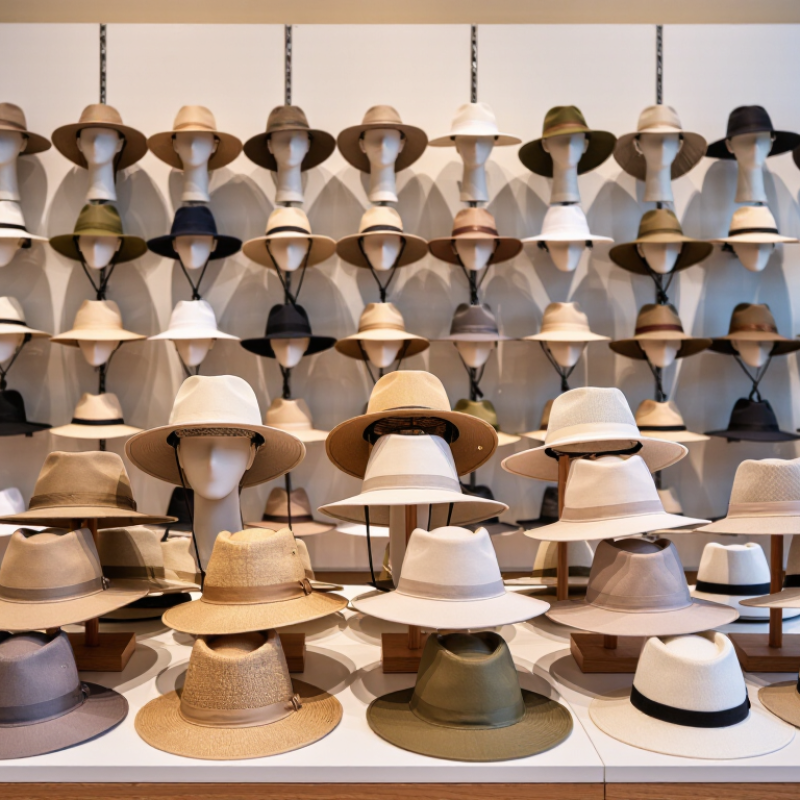
Define your wholesale buyers before choosing a hat style. Outdoor retailers may prefer broad brims, breathable panels, and adjustable chin cords. Resort shops often need lightweight designs with neutral colors and easy packing. Uniform suppliers usually value consistent sizing, simple colors, and durable stitching. Online sellers may request several sizes and clear product photos. The same hat cannot serve every buyer well. I learned this after ordering one versatile style that looked practical but sold slowly in formal retail settings.
The use case should guide every specification. Gardeners may need sweat-absorbing inner bands and firm brims. Travelers often prefer crush-resistant materials and compact packaging. Fishing customers may appreciate quick-drying fabric and ventilation. Check the brim width, crown depth, head circumference, and adjustment range. Ask whether customers wear the hat for two hours or an entire workday. Comfort is easy to overlook. It should not be.
Tips: Request samples before placing a large order. Measure each sample with a simple ruler. Test stitching, ventilation, color consistency, and sweatband comfort. Pack one hat in a carton to check crushing and recovery. Compare actual measurements with the supplier’s size chart. Small differences can create costly returns. I still find color matching difficult under warehouse lighting, so review samples in natural daylight. Ask buyers for feedback, but do not treat one opinion as final evidence.
When comparing men’s sun hats, start with coverage, not appearance. A wide-brim hat shades the ears, neck, and cheeks better than a short-brim cap. The Skin Cancer Foundation recommends a brim of at least three inches for strong facial coverage. The World Health Organization also reports that excessive ultraviolet exposure contributes to about 1.5 million non-melanoma skin-cancer cases worldwide each year. These figures make sun protection a practical wholesale requirement, not just a fashion detail.
Material affects comfort and repeat sales. Cotton feels soft, but it can absorb sweat and dry slowly. Polyester and nylon usually dry faster, while tightly woven fabric may block more ultraviolet light. Look for tested UPF ratings, moisture-wicking sweatbands, ventilation panels, and adjustable chin cords. A dark lining can reduce reflected light under the brim. Still, ventilation holes may weaken coverage if they are too large. That small trade-off deserves testing.
Tips: Request laboratory test reports, not only supplier claims. Check brim width with a ruler. Bend each sample repeatedly. Examine stitching, eyelets, and sweatband seams. Pack hats in cartons for one week, then inspect crushing and color transfer. The WHO advises combining shade with clothing and sunscreen, so avoid presenting any hat as complete protection. In real wholesale sampling, attractive shapes often sell faster, but poor sizing creates returns. That lesson is easy to overlook.
Wholesale buyers should treat sizing as a measurable specification, not a visual guess. Measure the internal sweatband in centimeters and publish a realistic fit range. Adjustable bands can reduce returns for customers with thick hair or layered clothing. Offer multiple size options when the crown has limited stretch.
Comfort depends on more than weight. Prioritize breathable mesh, soft binding, and a brim that protects without pressing the forehead. The U.S. Bureau of Economic Analysis reported that outdoor recreation generated $639.5 billion in economic output during 2023. This supports demand for practical sunwear, but it does not guarantee every hat will sell. Test samples outdoors for several hours. Small pressure points become obvious then.
Durability should cover stitching, brim recovery, colorfastness, and sweat resistance. A hat that loses shape after one hot weekend creates avoidable wholesale complaints. NOAA’s 2024 annual climate report identified 2024 as the warmest year recorded globally. Warmer conditions may extend selling seasons in some markets, while colder regions still need strong spring and summer timing. Plan inventory around local temperature history, tourism periods, and school holidays. Grand View Research estimated the global hats market at about USD 20.45 billion in 2023, with continued growth projected through 2030. Forecasts remain imperfect. A sudden cool season can leave excess stock, so phased purchasing is safer than one large commitment.
The chart uses practical wholesale evaluation benchmarks. Sizing should cover approximately 55–61 cm head circumferences, while lightweight construction, UPF 50+ sun protection, a stable brim, and reinforced stitching support comfort and durability. Seasonal demand is typically strongest from late spring through summer, so purchasing should be completed several weeks before the peak selling period.
How to Choose the Best Men's Sun Hats for Wholesale?
Assess Suppliers, Customization Options, and Minimum Orders
Choosing wholesale men's sun hats starts with supplier reliability, not just price. Request a physical sample before discussing a large order. Check the brim shape, crown comfort, stitching, sweatband, and color consistency. A useful sample should fit a 58-centimeter head comfortably. Ask whether the fabric has verified sun-protection performance, rather than trusting a printed claim.
Review the supplier’s production experience and quality process. Can they provide material specifications, inspection photos, and a clear replacement policy? Confirm lead times in writing. Ask how they handle uneven embroidery, loose threads, or damaged cartons. During one sourcing project, a supplier offered an attractive price but changed the inner band without notice. The sample looked fine. The bulk shipment did not. Small details matter.
Customization can include woven labels, embroidery, inner tape, packaging, and custom colors. Each option may increase sampling time and cost. Request a complete quotation with tooling, sample fees, packing, and shipping listed separately. Minimum order quantities deserve equal attention. A 500-piece MOQ may suit a test launch, while 5,000 pieces could reduce the unit price but create storage pressure. Negotiate by size and color, but confirm whether the supplier allows mixed assortments. Not every “flexible” offer is truly flexible. Get the final specifications, approval sample, production schedule, and payment terms in one signed document.
| Supplier Type | Common Product Focus | Customization Options | Typical MOQ for Custom Orders | Sample and Production Considerations | Cost and Risk Assessment | Best Fit for Buyers | Overall Suitability |
|---|---|---|---|---|---|---|---|
| Stock wholesaler | Ready-made cotton, polyester, nylon, or straw sun hats in standard colors and sizes. | Hangtags Packaging Limited embroidery | Usually 24–100 pieces per style or color, depending on inventory. | Samples are often available immediately. Delivery is generally faster because the products are already manufactured. | Lower development risk and no tooling cost, but less control over fit, fabric, and branding. Unit cost may be higher for small quantities. | Retailers testing demand, seasonal campaigns, and buyers needing quick replenishment. | ★★★★☆ |
| OEM hat factory | Custom men's sun hats made from woven straw, cotton twill, canvas, polyester, or recycled synthetic fabrics. | Custom patterns Private labels Brim shapes Color matching | Commonly 300–1,000 pieces per style; exact requirements vary by material and construction. | A pre-production sample is normally recommended. Custom development adds pattern, sampling, and approval time before bulk manufacturing. | Better unit economics at scale and strong product control, but higher minimum orders and greater responsibility for specifications. | Established apparel, outdoor, travel, and promotional-product buyers with repeat-order potential. | ★★★★★ |
| Custom embroidery supplier | Standard hats enhanced with front logos, side marks, patches, or embroidered text. | Embroidery Woven patches Heat-transfer labels Custom packaging | Often 100–500 pieces, although logo setup and color limits can affect the minimum. | Artwork must be supplied in a production-ready format. An embroidery sample or digital proof should be approved before production. | A practical balance between brand visibility and manageable order size. Complex artwork can increase setup and per-unit costs. | Corporate merchandise, event programs, clubs, resorts, and small lifestyle brands. | ★★★★☆ |
| Sustainable-material supplier | Sun hats using organic cotton, recycled polyester, recycled nylon, paper-based braid, or responsibly sourced natural fibers. | Material selection Certification documents Eco packaging | Frequently 300–1,000 pieces, with some materials requiring larger production runs. | Buyers should verify fiber composition, recycled-content claims, colorfastness, and available test or certification documentation. | Strong sustainability positioning, but material availability and verification requirements may increase lead time and cost. | Eco-conscious retailers and brands that need documented environmental claims. | ★★★★☆ |
| Outdoor performance supplier | Packable sun hats with chin cords, ventilation panels, moisture management, water resistance, or UV-protective fabric. | UPF fabric options Adjustable cords Ventilation Packable construction | Commonly 300–1,000 pieces per design, particularly when technical fabrics or trims are customized. | Performance claims should be supported by appropriate fabric information or laboratory testing. Fit and recovery should be checked through sampling. | Higher perceived value and wider outdoor use, but technical trims, testing, and construction can raise the landed cost. | Hiking, fishing, travel, beach, golf, and outdoor recreation collections. | ★★★★★ |
| Small-batch artisan producer | Hand-finished straw, raffia, paper braid, cotton, or mixed-material hats with distinctive shapes and textures. | Hand finishing Small color runs Decorative bands | Often 30–200 pieces, depending on available materials and production capacity. | Sampling may be flexible, but production consistency, replenishment speed, and sizing should be confirmed carefully. | Distinctive product appearance and lower entry quantity, but unit prices and variation between batches may be higher. | Boutiques, resort shops, gift stores, and curated summer collections. | ★★★★☆ |
How to Choose the Best Men's Sun Hats for Wholesale?
Wholesale pricing starts with the landed cost, not the factory quote. Add the unit price, packaging, inspection, payment fees, shipping, duties, and possible rework. For example, a $4.20 hat may cost $5.35 after freight and handling. I once underestimated carton volume, and the final shipping bill reduced the expected margin sharply. That mistake still influences how I compare suppliers.
Set a target margin before ordering. If your landed cost is $5.35 and your selling price is $11, the gross margin is about 51%. However, include defective units, seasonal discounts, warehouse storage, and unsold inventory. A small order may carry a higher unit freight cost. A larger order can lower freight, but it increases quality and cash-flow risks. Request a pre-production sample, then inspect stitching, brim recovery, sweatband comfort, color consistency, and UPF test documentation. A hat that looks strong in photos may feel thin or lose shape after packing.
Tips: Ask for carton dimensions and gross weight before payment. Compare air, sea, and consolidated shipping quotes. Test several sizes on real customers, not only models. Keep a defect allowance in your forecast. Do not trust the cheapest quote blindly. It may exclude inspection or export handling. Also, review your calculations after the first shipment; assumptions often fail in practice.