2026 How to Choose the Best Ski Clothing for Your Needs?
Choosing the right ski clothing is essential for every winter enthusiast. The clothing you wear directly impacts your comfort, safety, and overall skiing experience. Proper ski clothing should keep you warm and dry while allowing for freedom of movement.
When selecting ski clothing, consider materials and fit. Breathable fabrics like Gore-Tex can prevent sweat buildup. Layering is also crucial; it helps manage body temperature. You might find it surprising how a well-fitted jacket can improve or ruin your day on the slopes.
Think about functionality, too. Look for features like pockets and reinforced seams. These small details can make a major difference in your performance. While we all aim for perfection, everyone has made a mistake of choosing style over function at some point. Reflecting on past experiences can guide better choices for future adventures.
Understanding the Different Types of Ski Clothing Available
When choosing ski clothing, understanding the types available is crucial. Ski gear generally falls into three categories: base layers, mid layers, and outer layers. Base layers wick moisture away from the skin, keeping you dry. They are designed for warmth and comfort. Popular materials include merino wool and synthetic fibers. A report by the Snowsports Industries of America notes that 78% of skiers prioritize moisture management in their base layers.
Mid layers provide insulation. Fleece and down jackets are common choices. They trap heat while allowing moisture to escape. Depending on the temperature, you may need thicker or thinner options. According to a study published in the Journal of Outdoor Recreation and Tourism, the right insulation can enhance performance and comfort by 30% during long ski days.
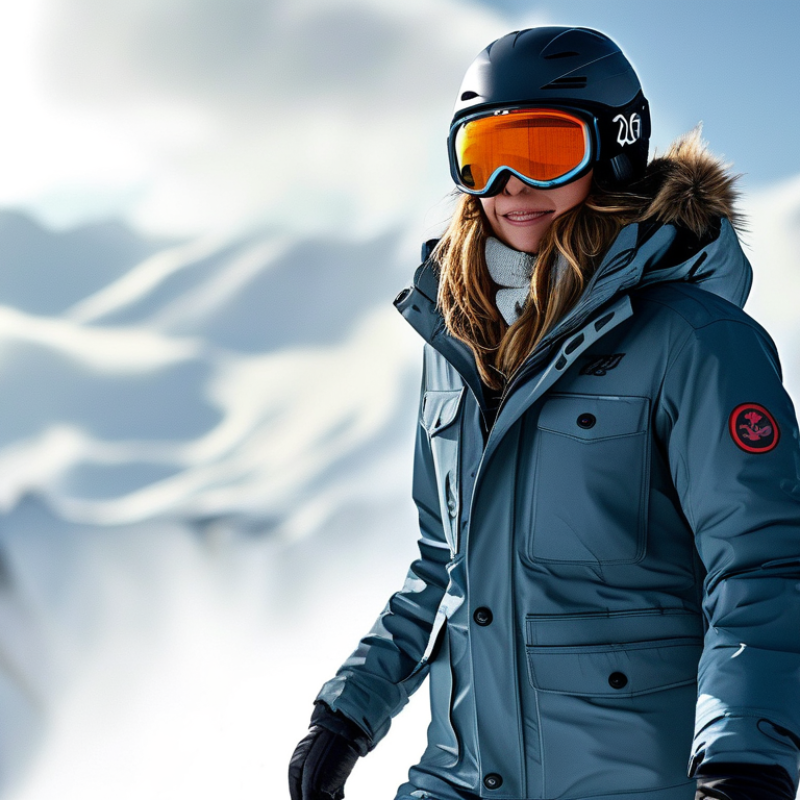
Outer layers must protect against wind and snow. These jackets and pants often include water-resistant materials and sealed seams. Breathability is also vital for active skiers. A good outer layer can make a huge difference, especially in changing weather conditions. However, not all garments perform equally. Research indicates that 40% of skiers are unaware of proper maintenance, which can reduce the lifespan of their gear significantly. It's essential to evaluate your needs carefully before investing in quality ski clothing.
Factors to Consider When Selecting Ski Jackets and Pants
When selecting ski jackets and pants, several key factors come into play. The fit is crucial. You want your clothing to allow for movement while keeping you warm. Remember, too tight can restrict your mobility; too loose can let in cold air. Look for adjustable cuffs and hems. These features can help seal in warmth and keep snow out.
Material choice is another significant consideration. Breathable fabrics are essential for comfort during intensive activities. Waterproofing is vital too. When the snow falls, you want to stay dry. Investigate ratings for both breathability and waterproofing. These will help gauge how well the clothing functions in adverse conditions.
Insulation also varies widely. Some prefer a lightweight feel; others need added warmth. Make sure to assess the insulation type. Synthetic materials dry quickly but can be bulkier. Down provides warmth but may lose its effectiveness when wet. It’s a balancing act to find what suits your needs best. Reflect on your skiing style and environment to make the best choice.
Choosing the Right Base Layers for Comfort and Insulation
When choosing ski clothing, base layers play a crucial role. They are the foundation of your outfit, providing comfort and insulation. According to the International Ski Federation, the right base layer can enhance performance by regulating body temperature and moisture. Research indicates that moisture-wicking fabrics can improve thermal regulation, keeping you warm and dry.
A good base layer should fit snugly without restricting movement. Look for options made from synthetic materials or merino wool. These fabrics offer excellent moisture management and thermal protection. A study by the Journal of Sports Sciences found that individuals wearing moisture-wicking base layers experienced a 20% reduction in sweat accumulation compared to cotton alternatives. This can greatly affect your comfort level during long days on the slopes.
However, not all base layers are created equal. Some may label themselves as moisture-wicking but fail to deliver on performance. Testing multiple fabrics and fits is vital. Working with expert gear specialists can also help identify the best options. The goal is to ensure that your base layer both shields against the cold and optimizes your skiing experience.
Evaluating Ski Accessories: Gloves, Hats, and Socks
Choosing the right ski accessories enhances your comfort and performance on the slopes. Gloves, hats, and socks play critical roles, yet they are often overlooked. A common mistake is selecting gloves without considering warmth versus dexterity. Insulated gloves provide warmth but may limit your grip on ski poles. Waterproof gloves keep hands dry, but if too thick, they decrease your tactile sensitivity. Try different styles to find your ideal balance.
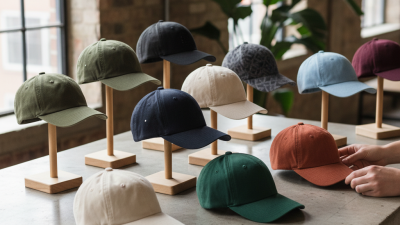
When it comes to hats, material matters. A wool blend retains warmth, while synthetic fabrics wick moisture away. Many skiers forget about fit; a hat that’s too tight can cause discomfort, while one that’s too loose may slip. Consider layering options, like wearing a headband under a helmet for extra warmth.
Socks are crucial for preventing blisters and ensuring warmth. Thin, moisture-wicking fabrics often work better than thick ones. Remember, a good fit is essential. Too tight can restrict circulation, too loose can cause bunching. Some skiers find wool blends to be the best choice due to their temperature regulation properties. Pay attention to the sock height; a high sock prevents rubbing against your boots.
Tips for Ensuring Proper Fit and Functionality in Ski Gear
When choosing ski clothing, proper fit and functionality are crucial. Poorly fitting gear can hinder your performance and comfort on the slopes. Focus on how each piece of clothing interacts with your body. For instance, ensure that the jacket allows for free movement in your arms. Tight clothing can restrict blood flow, leading to discomfort. Evaluate the length of your pants, too; they should cover your boots without bunching up.
Layering is essential for optimal performance. Wear moisture-wicking base layers to keep sweat away. Mid-layers should provide insulation but not bulk. Make sure these pieces fit snugly without restricting motion. A well-fitted outer layer protects against wind and snow. Try this: during your fitting, flex and bend. This practice highlights any areas of restriction. Adjust the sizes as necessary.
Pay attention to specific features that enhance functionality. Zippers should be easy to manage with gloves on. Pockets need to be accessible yet secure. Features like ventilation can be game-changers. Reflect on your priorities. Do you value warmth over breathability? Weigh these aspects carefully. A well-thought-out choice will enhance your skiing experience significantly.