
In 2026, choosing a Tattoo Machine Grip is less about chasing a “best” label. It is about controlling a tool comfortably during precise, sustained work. Grand View Research’s Tattoo Market Size, Share & Trends Analysis Report estimated the global tattoo market at about US$2.03 billion in 2023. Its 2024–2030 outlook projects a 9.7% compound annual growth rate. That forecast signals market expansion, not proof that any particular grip performs better. The distinction matters.
A grip sits between the artist’s hand and the machine, so small design differences become noticeable over time. Diameter affects how firmly the fingers close; weight and balance can change wrist effort. Surface texture matters when gloves feel slick, while material and construction affect cleaning routines and durability. Small details matter. Compatibility matters, too: a comfortable grip is still a poor choice if it does not fit the machine or cartridge setup.
This guide compares grip materials, shapes, sizes, weights, and practical maintenance considerations. It also considers how work habits and hand size influence the feel of a grip. No product specification can predict comfort for every artist. A grip that feels steady in a short test may feel different after a full session. I would not pretend otherwise. Use the details here to narrow your options, then assess the grip in a controlled, hygienic setup before making it part of your regular kit.
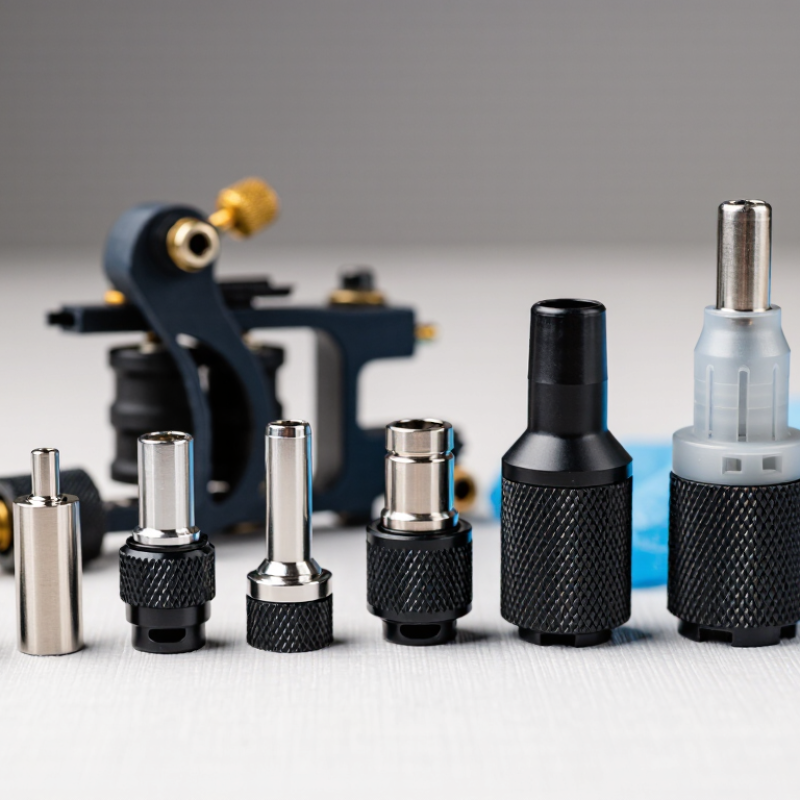
A tattoo machine grip is the part your fingers hold while guiding the needle. It helps you maintain a steady angle and manage pressure during detailed work. Its shape and surface can affect how securely it sits in your hand, especially during a long session. A grip does not replace good technique, and a heavier one may feel tiring rather than stable.
Comfort matters because small changes in hand tension can affect control. Look at the grip’s diameter, weight, texture, and compatibility with your machine. If possible, hold it with gloves on; a surface that feels secure with bare hands may feel different during actual use. Follow the equipment maker’s instructions for cleaning and barrier protection. Materials and designs vary, so do not assume every grip can be cleaned the same way.
Tips: Test the grip in a relaxed position, not just with a tight squeeze. Notice pressure points near your thumb and fingertips. If your hand feels strained after a short practice session, reconsider the size or weight. There is no perfect choice for everyone. I’d also question any claim that one grip eliminates fatigue; fit, posture, and breaks still matter.
Before ordering, identify your machine’s grip connection and needle system. A grip can feel right in the hand and still be the wrong fit. Pen-style machines may require a grip with a specific thread or cartridge connection. Some models use proprietary fittings, so check the machine manual or manufacturer’s specifications rather than relying on appearance. Never force it.
With a coil or rotary frame, check the tube diameter and how the grip secures to the tube or vise. Compare measurements, not just product photos. The fit should feel snug, with no slipping or side-to-side movement. The connection matters. If you can, test the assembly while the machine is powered off.
Also check the grip material and its cleaning instructions. A reusable grip must be suitable for the cleaning and sterilization process specified for it; disposable options should be clearly labeled for single use. After fitting, inspect the connection again and make sure the needle cartridge sits securely. A slight wobble is easy to miss at first. I still double-check after changing setups, because a grip that fits one machine may not fit another. Note the measurements and connection type for future purchases.
A tattoo grip should feel stable without forcing your fingers to pinch tightly. Aluminum is light and easy to maneuver, while stainless steel adds weight that some artists prefer for steadier strokes. Textured silicone can improve traction when hands become sweaty, but soft surfaces may hold residue if cleaning is rushed. Check that reusable grips suit the machine’s sterilization process; disposable sleeves can add a barrier, but they do not replace cleaning. Fit matters more.
For sizing, compare the grip with your relaxed writing hold. A slimmer grip can suit smaller hands or detailed work, while a thicker grip may reduce finger curling during longer sessions. Neither is automatically better. Try holding the machine for several minutes, then note pressure points, wrist angle, and fatigue. In its 2018 Employer-Reported Workplace Injuries and Illnesses report, the U.S. Bureau of Labor Statistics recorded 272,780 musculoskeletal-disorder cases involving days away from work—about 30% of such cases in private industry. These figures are not tattoo-specific, but they underline why fit deserves attention. Comfort can be deceptive at first; reassess after a full work session.
| Category | Option | Typical Size or Feel | Main Advantages | Considerations | A Good Fit For |
|---|---|---|---|---|---|
| Grip size | Narrow | About 20–25 mm in diameter | Allows a smaller hand position and a lighter-feeling hold. | May feel tiring during long sessions if you tend to grip tightly. | Artists with smaller hands or those who prefer a precise, pencil-like hold. |
| Grip size | Medium | About 25–30 mm in diameter | Offers a balanced hold that suits many hand sizes and common working styles. | Comfort depends on hand size, grip shape, and how firmly you hold the machine. | Artists looking for a versatile starting size. |
| Grip size | Wide | About 30–40 mm in diameter | Can spread pressure across more of the hand and reduce the need to curl fingers tightly. | May feel bulky for smaller hands or detailed work that requires frequent repositioning. | Artists with larger hands or those who prefer a fuller grip. |
| Material | Stainless steel | Usually firm and relatively heavy; available in different diameters | Durable, non-porous, and suitable for repeated use when designed for validated sterilization. | Weight can contribute to hand fatigue. Follow the manufacturer’s cleaning and sterilization instructions. | Artists who prefer a solid, weightier feel and have an appropriate reprocessing setup. |
| Material | Aluminum | Usually firm and lighter than a comparable steel grip; available in different diameters | Provides a rigid feel with less weight than many steel options. | Not every aluminum grip is suitable for every sterilization method; verify compatibility before reuse. | Artists who want a rigid grip but prefer to keep machine weight down. |
| Material | Silicone | Soft or cushioned feel; may be a grip, sleeve, or disposable cover | Can add cushioning and improve comfort for artists who find hard surfaces tiring. | Check whether the product is reusable or single-use. A sleeve does not replace required barriers or cleaning. | Artists seeking a softer feel or added cushioning around a compatible grip. |
| Material | Disposable polymer | Often lightweight; shape and diameter vary by product | Single-use designs can simplify between-client handling when used as directed. | Use only as intended and dispose of it after use; it does not remove the need for standard infection-control practices. | Artists who prefer a ready-to-use, single-use grip option. |
Selection tip: Grip diameters are approximate and are not standardized across all products. Compare the stated diameter and overall weight, check compatibility with your machine, and follow the manufacturer’s instructions for cleaning, sterilization, barriers, and disposal.
Comfort, weight, and vibration control can shape how steady your hand feels during a session. A grip should sit naturally between your fingers without forcing a tight pinch. Compare its diameter with your usual grip, and notice whether the surface feels secure when your hands are gloved. Test it for several minutes, not just a quick lift. Small pressure points matter.
Tips: Hold the machine in your normal working position. Check its balance with the cartridge fitted, then make slow practice strokes on a suitable practice surface. Keep the setup consistent when comparing options.
Weight is personal. A heavier grip may feel stable, but extended use can tire the wrist; a lighter one may feel easier to guide, yet less balanced. Pay attention to where the weight sits, not only the total number. Vibration can make fine control harder, though a quiet machine may still transmit movement through the grip. If possible, compare options at the same settings and pause to notice hand tension. There is no perfect fit. I’d reassess after a full practice session, because first impressions can be misleading.
A tattoo machine grip should suit your hand, working style, and budget—not just look comfortable on a shelf. For fine-line work, a slimmer grip may allow delicate finger adjustments. If you work for longer sessions or prefer a steadier hold, a wider, cushioned grip can reduce pressure points. Check how the grip feels with your actual machine attached. Balance matters. A grip that feels comfortable on its own may feel front-heavy once assembled.
Set a realistic budget by comparing durability, maintenance, and fit. A low-cost grip can be a sensible choice if it is compatible with your machine and made for your intended cleaning process. Reusable grips must be cleaned and sterilized according to their instructions; single-use options should be discarded after use. Don’t assume every material can handle every method. That is an easy detail to miss. If possible, test the grip during a short practice session before committing. Notice whether your fingers tighten, your wrist bends, or the surface becomes slippery. I’d reconsider a purchase that feels awkward, even if it seems like a bargain. Comfort is personal, and the ideal grip may take a little trial and reflection.