
The 2026 China Import and Export Fair will showcase the latest in **Custom Dress** trends. Scheduled from April 15 to May 5, this event spans three phases, focusing on various sectors. The textile and apparel phase will highlight custom dresses designed for diverse markets. Expect unique designs by talented artisans.
Buyers will benefit from advanced features like AI-driven search and navigation. This technology allows them to find suppliers who match specific certifications like ISO and CE quickly. Efficient paths will streamline their visits across the vast 1.55 million square meters of exhibition space.
However, embracing custom dresses brings challenges. Trends can be fleeting, and predicting consumer preferences is complex. Some vendors may struggle to showcase the balance of creativity and market demands. Attendees must reflect on this dynamic landscape as they navigate the fair.
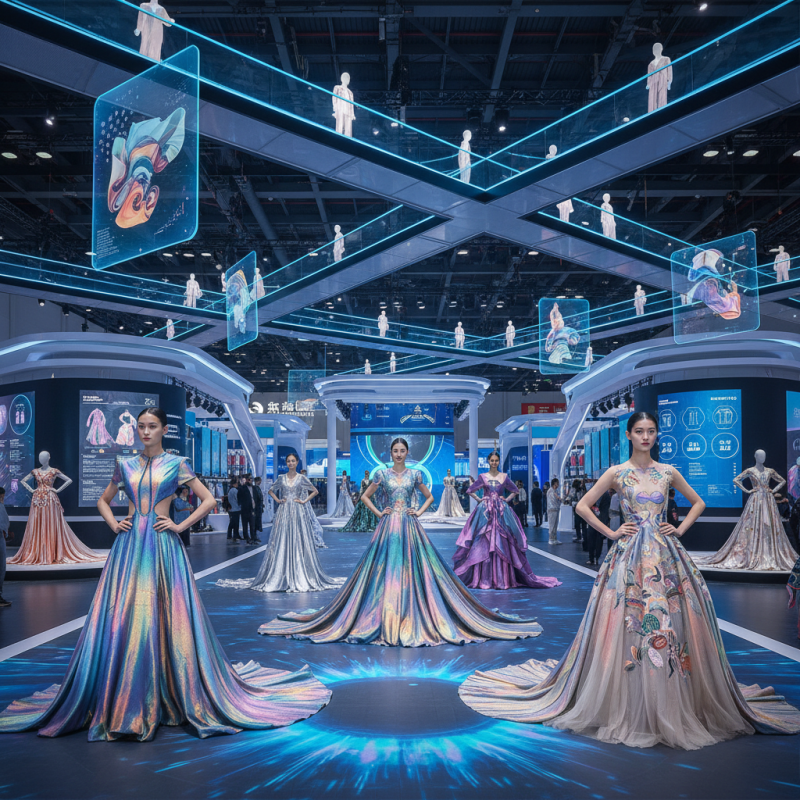
Custom dresses are taking center stage at the 2026 China Import and Export Fair. Such garments reflect unique styles and personal expression. They cater to a growing demand for individuality among consumers. This trend drives sales growth, making custom dresses a key focus for buyers and sellers alike.
Many exhibitors showcase their work, highlighting craftsmanship and creativity. Some styles incorporate vibrant colors and intricate patterns. Others feature minimalistic designs that appeal to modern tastes. Shoppers seek dresses that tell a story. However, not all designs resonate equally. Some fail to connect with the target audience. Finding the right balance is essential.
Tips for vendors: understand your audience. Use surveys to gauge preferences. Monitor social media for emerging trends. Experiment with different materials and styles. Keep an eye on feedback. Adapt designs based on what sells. Remember, not every design will be a hit. Learn from missteps and refine your strategy. This approach will lead to sustainable growth in sales.
Emerging fabrics are shaping the custom dress landscape at the 2026 China Import and Export Fair. Designers are increasingly focused on sustainable materials. According to a recent industry report, 70% of consumers now prefer eco-friendly fabrics. This shift creates pressure on manufacturers to adopt green practices. Organic cotton, Tencel, and recycled polyester are gaining traction.
Sustainable practices in dress design include reduced waste techniques. Some manufacturers are now using digital fabric printing, which minimizes leftover materials. Yet, challenges remain. Not all designers fully embrace sustainability. High costs and limited availability of eco-friendly fabrics can deter others. A study indicated that only 40% of fashion brands are committed to sustainability.
Consumer awareness continues to rise. The demand for unique designs drives innovation. Many designers experiment with natural dyes and innovative textile blends. However, the industry struggles with transparency. Tracking the origin of materials can be difficult. The transition to more sustainable methods requires persistent effort and reflection. Balancing creativity with responsible practices is crucial for future success.
Customization in fashion is reshaping consumer habits. Many prefer personalized options over mass-produced clothing. Recent surveys indicate that around 70% of consumers are willing to pay more for customized dresses. The desire for unique pieces drives this trend forward.
At events like the 2026 China Import and Export Fair, patterns emerge. Shoppers gravitate toward styles that reflect their personal stories. Fabrics communicate feelings, and colors resonate with individual tastes. Consumers express themselves through choices, seeking comfort and identity in their clothing. Yet, some struggle. Balancing trends with personal style can be overwhelming.
The market responds to these preferences. Many designers explore new techniques to offer customization. They experiment with fabrics and cuts, though some miss the mark. Not all attempts resonate with consumers. Feedback loops are crucial. Crafting the perfect design takes time and reflection. Awareness of consumer feedback will help brands grow.
The demand for custom dresses has surged in recent years, especially in China. This trend reflects a growing desire for individuality and unique styles. Consumers are seeking outfits that are tailored to their personal tastes. Traditional clothing options often fall short of this need. Custom dresses offer flexibility in fabric, color, and design.
However, the market is not without challenges. Sourcing high-quality materials can be difficult. Many small businesses struggle with production timelines and cost management. They face intense competition from ready-to-wear options. This makes it essential for them to clearly communicate their unique selling points. Without a strong brand identity, standing out can be tough.
The allure of custom dresses often lies in the craftsmanship and attention to detail. Shoppers appreciate the stories behind each piece. Feedback from customers can be mixed, reflecting varying standards in quality. Misunderstandings in order specifications sometimes occur. This can lead to dissatisfaction despite best intentions. It’s a learning curve for many in this evolving market landscape.
The 2026 China Import and Export Fair is set to showcase innovative custom dress trends. Digitalization is reshaping these trends in significant ways. For example, augmented reality and virtual fitting rooms allow customers to try on dresses from their homes. This technology enhances the shopping experience, providing convenience and excitement.
However, there are challenges with this digital shift. Not all consumers are tech-savvy. Some may find online fitting tools confusing. Additionally, the reliance on digital tools can reduce personal interaction. This might hinder the relationship between designers and customers. Designers should reflect on how to maintain a personal touch in a digital world.
Sustainability is another concern. Custom dresses often involve fast-fashion practices. While digitalization offers more options, it can also lead to overproduction. Striking a balance between technology and sustainability will be crucial. As trends evolve, staying mindful of these factors will be essential for future success.