
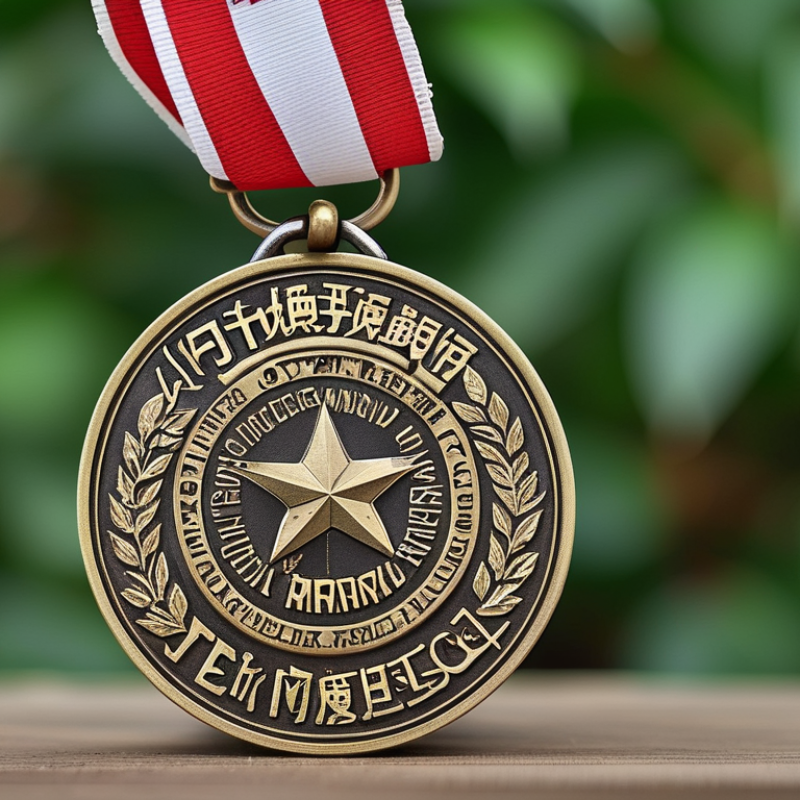
How to Order Custom Graduation Medals from China?
Prepare Artwork, Materials, and Custom Specifications
Start with production-ready artwork. Use vector files, clear text, and measured dimensions. Include front, back, edge, ribbon, and packaging layouts. A 3D sketch helps, but it can hide thin areas. That mistake is common. Request a digital proof and a physical sample before mass production. Specify the finish clearly, such as antique gold, polished silver, or soft enamel. State color references using a recognized color system, not casual descriptions like “dark blue.”
Material choice affects weight, cost, and appearance. Zinc alloy suits detailed relief designs, while iron offers a lower-cost, solid feel. Aluminum may support a lighter medal. The International Aluminium Institute reports that recycled aluminum uses about 5% of the energy required for primary aluminum. Steel also needs careful consideration; the World Steel Association estimates steelmaking creates roughly 7–9% of global carbon dioxide emissions. Ask the supplier about recycled content and provide written material confirmation. Claims can sound better than reality.
Set practical specifications. Confirm medal diameter, thickness, unit weight, plating, ribbon width, attachment type, quantity, and delivery address. Request a tolerance sheet for dimensions and color variation. Use ISO 2859-1 sampling guidance when arranging inspection. Check random pieces for scratches, loose parts, sharp edges, and unreadable lettering. Keep one approved sample for comparison. I would not approve production from images alone. Lighting can make plating look perfect. It often is not.