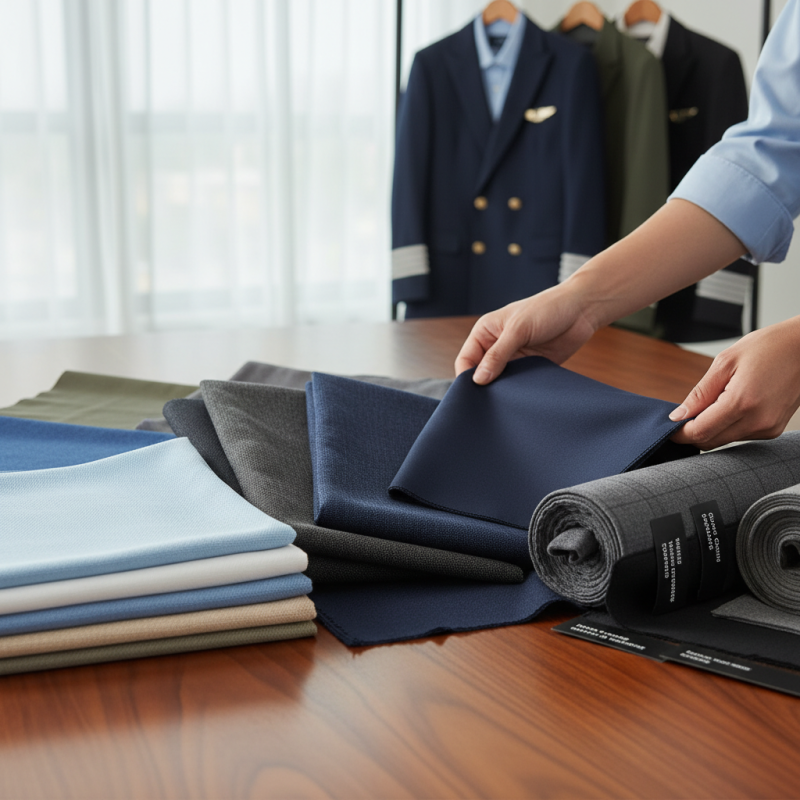
Best Pilot Uniform Fabric Options for Global Buyers?
Choosing the right pilot uniform fabric is crucial. The fabric influences comfort, durability, and professional appearance. Global buyers face numerous options in the market. High-quality materials can enhance a pilot's performance.
Different climates require different fabrics. For hot regions, lightweight and breathable options are essential. In contrast, colder areas demand thicker materials for warmth. Many brands offer innovative blends to cater to these needs.
However, selecting the best fabric isn't always straightforward. Buyers must consider how each option performs over time. Some materials may fade or wear out too quickly. Understanding these differences is vital for making informed choices. Pilot uniform fabric has a direct impact on brand image and pilot confidence. Making the right decision is not just about aesthetics; it also reflects professionalism and functionality.
Key Characteristics of Ideal Pilot Uniform Fabrics
When selecting fabrics for pilot uniforms, several key characteristics stand out. Durability is paramount; pilots encounter various conditions, and uniforms must withstand wear and tear without compromising their appearance. Manufacturers should consider fabrics that maintain their shape and color over time. This resilience plays a critical role in ensuring pilots look professional at all times.
Breathability is another essential feature. Pilots often spend long hours in the cockpit, where temperatures can fluctuate. Fabrics that allow air circulation enhance comfort, preventing excessive sweating. This attribute also contributes to overall fatigue management. Furthermore, moisture-wicking capabilities are desirable. They help evaporate sweat quickly, keeping pilots dry and focused on their duties.
Comfort should never be overlooked. A well-fitted uniform can boost a pilot's confidence and performance. Fabrics should feel soft against the skin while allowing ease of movement. Balancing these qualities can be challenging. While some may prioritize aesthetics, practicality should not be sacrificed. Finding the right mix of style, comfort, and functionality is vital for modern pilot uniforms.
Popular Fabric Types for Pilot Uniforms Worldwide
Selecting the right fabric for pilot uniforms is crucial for comfort and professionalism. Many airlines prefer durable, breathable materials that withstand frequent use. Cotton blends, polyester, and nylon are top choices. According to a recent report by the International Aviation Fabrics Association, nearly 70% of global airlines opt for polyester due to its efficiency in moisture-wicking.
Another popular option is wool, valued for its natural temperature-regulating properties. Wool uniforms can keep pilots warm in cold cockpits and cool during hot days. However, wool can be heavier and may require more care than synthetic fabrics. Understanding the climate where pilots operate is vital. Fabric weight, breathability, and moisture management should align with environmental conditions.
Tips: Consider the specific needs of pilots when choosing uniforms. Lightweight materials improve mobility during long shifts. Regular maintenance practices can extend uniform life. Keep in mind that changes in temperature and humidity may affect fabric performance. Engage with pilots for feedback on comfort levels to ensure the best choices.
Comparative Analysis of Fabric Durability and Comfort
When selecting pilot uniform fabrics, durability and comfort are crucial. A pilot's job requires long hours in varying conditions. Fabrics must withstand wear and tear while keeping pilots comfortable. Cotton blends are popular for their breathability but may lack durability. Synthetic fibers like polyester provide resistance to fading and wrinkling but can trap heat.
Choosing the right fabric involves trade-offs. Comfort can be compromised for durability and vice versa. Ideally, a fabric should offer both. A fabric blend that combines cotton for comfort and polyester for durability might be a good compromise. This ensures pilots can perform optimally on long flights.
**Tips:** Look for fabrics with moisture-wicking properties to enhance comfort. Always check the fabric weight; heavier fabrics may be more durable. Regular washing and maintenance contribute to the longevity of uniforms. It’s vital to balance fabric choice with conditions pilots frequently encounter. Pilots should reflect on their experiences to make informed fabric selections.
Best Pilot Uniform Fabric Options for Global Buyers
This chart compares the durability and comfort ratings of various fabric options commonly used for pilot uniforms. Each fabric is rated on a scale from 1 to 10, where higher values indicate better performance in terms of durability and comfort.
Sustainability Trends in Pilot Uniform Fabric Choices
In recent years, sustainability has gained momentum as a crucial factor in the selection of pilot uniform fabrics. A 2022 report by the Global Apparel Sustainability Initiative revealed that nearly 70% of airlines are now prioritizing eco-friendly materials in their uniform choices. This trend reflects a growing awareness of environmental impacts associated with textile production and disposal.
Natural fibers like organic cotton and linen are often favored for their lower carbon footprints. Conversely, synthetic materials, such as recycled polyester, are also emerging. Recent studies indicate that recycled polyester can reduce energy consumption by up to 75% compared to conventional polyester. However, sourcing quality recycled fibers remains a challenge, highlighting the need for ongoing innovation in this space.
Certifications play a critical role in validating sustainable practices in fabric production. Fabrics certified by recognized bodies can assure buyers of their environmental impact. While many airlines seek these certifications, discrepancies persist in implementation. Continuous education and collaboration are vital to meet sustainability goals while maintaining fabric quality and durability. The balance between eco-friendliness and performance is a frequent point of contention within the industry.
Regional Preferences for Pilot Uniform Fabrics Across Global Markets
Choosing pilot uniform fabrics requires understanding regional preferences. Different climates dictate fabric choices. For instance, tropical regions favor lightweight, breathable materials. In contrast, cooler climates often employ heavier, insulating fabrics.
Tip: Research local weather patterns. This will aid in selecting appropriate materials for pilots based in specific areas.
In Europe, pilots might prefer wool blends. These fabrics are durable and offer a polished look. However, in Asia, synthetic blends gain traction due to their moisture-wicking properties.
Tip: Consider cultural factors as well. Uniform colors and styles can vary significantly across regions.
While global trends exist, addressing local needs is critical. Not all pilots find the same fabrics comfortable. Some may feel restricted in particular blends. Understanding these differences can greatly enhance pilot satisfaction and performance.