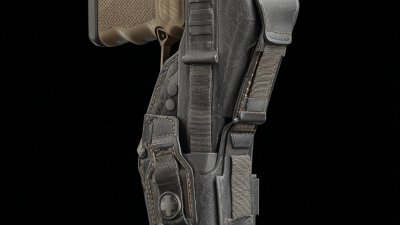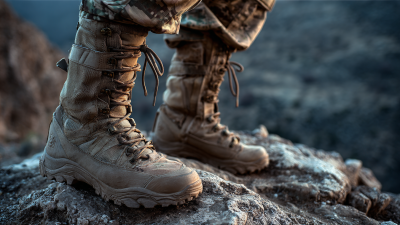
10 Tips for Choosing Tactical Leg Holsters

Choosing the right Tactical Leg Holsters requires more than comparing prices, colors, or adjustment straps. A dependable design must balance stability, comfort, accessibility, and responsible use. It should remain secure while walking, climbing, kneeling, or sitting in a vehicle. Small details matter. A loose strap can shift. A rigid edge can rub the thigh.

John Bianchi, a respected holster designer, once said, “The best holster is the one you forget you’re wearing.” That principle still matters today. Effective Tactical Leg Holsters should feel stable without restricting natural movement. They should fit the intended equipment correctly, support safe handling, and comply with local laws, workplace policies, and training standards. A product that looks rugged may still fail during long hours outdoors.

This guide examines ten practical considerations before making a purchase. It explores retention, mounting height, strap design, materials, weight distribution, weather resistance, adjustment range, and compatibility. It also considers how the holster performs during ordinary tasks, not just dramatic field scenarios. A quiet walk across gravel can reveal more than a showroom inspection.

No design suits every user. That is easy to overlook. Body shape, clothing, climate, and equipment all change the experience. Some buyers may prefer a lower ride, while others need less movement around the knee. Testing should happen gradually, with unloaded equipment where appropriate, and in a controlled setting. The goal is not appearance. It is dependable, lawful, comfortable performance when the day becomes longer than expected.
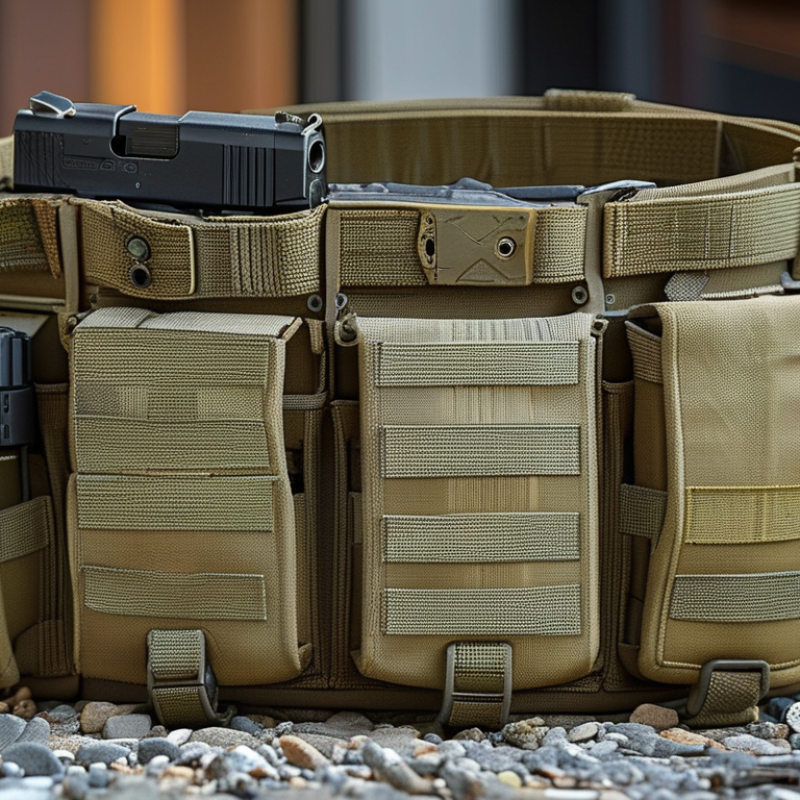
10 Tips for Choosing Tactical Leg Holsters

Define the Purpose and Operating Conditions of a Tactical Leg Holster

Purpose comes first. A tactical leg holster should match the equipment, task, and environment. For medical teams, it may carry trauma supplies or a compact flashlight. For field technicians, a radio, multitool, or inspection device may matter more. A rigid platform can help during vehicle exits, but it may restrict movement during climbing or kneeling. Define the job before comparing materials, retention, or adjustment systems.

Operating conditions change the decision. The 2022 U.S. Bureau of Labor Statistics Survey reported that slips, trips, and falls caused about 21% of nonfatal cases involving days away from work. Poorly positioned gear can increase that risk. NIOSH ergonomic guidance also emphasizes reducing awkward postures and keeping frequently used tools accessible. A leg holster should sit securely without pressing behind the knee. It should not swing when walking, running, or entering a vehicle. Test it with the clothing, gloves, and protective equipment used on duty.

Small details matter. Check whether mud, rain, dust, or cold temperatures could affect buckles and retention. Measure the loaded weight, not the empty holster. Keep it light. In fitting trials, walk stairs, crouch, and sit for several minutes. I would also repeat the test after a long shift; comfort often changes then. That is where many selections fail. Reflect honestly on reach, visibility, and accidental snag points. A perfect setup on a workbench may feel wrong outdoors.

Evaluate Holster Materials, Construction, and Weather Resistance

Material choice affects retention, comfort, and service life. In a hands-on inspection, I check molded polymer for cracks, sharp edges, and uneven thickness. Reinforced nylon can flex comfortably, but excessive softness may allow unwanted movement. Leather feels durable, yet it can absorb water and dry slowly. That matters in humid field conditions.

Weather resistance needs evidence, not confident packaging language. ASTM G154 evaluates plastics through ultraviolet and moisture exposure. ISO 9227 provides a salt-spray method for metal components. These tests offer useful comparisons, but they do not guarantee performance in every climate. The U.S. Department of Defense MIL-STD-810H includes humidity, temperature, rain, dust, and vibration methods.

A holster is not automatically certified because a material meets one method.

Inspect the construction closely. Stitching should remain tight around stress points. Rivets and fasteners should resist corrosion. Drainage openings can prevent trapped water, though they may admit dust. Small details matter.

NOAA’s 2023 climate report recorded the warmest year in its dataset, 1.18°C above the twentieth-century average. Heat exposure can soften some polymers and weaken adhesives over time.

My own preference is rigid construction, but that view is incomplete. A rigid shell may transfer pressure to the leg. Test the holster with normal clothing, moisture, and repeated movement before trusting its comfort or stability.

Choose a Secure Fit for the Weapon and User

A tactical leg holster should hold the weapon securely without creating pressure points for the user. The fit must remain stable during walking, sitting, and climbing. Check that the retention system engages fully and does not loosen after repeated movement. The trigger area should stay covered when the weapon is holstered. Local regulations and the equipment manufacturer’s instructions should always guide your selection.

Tip 1: Match the holster to the exact weapon model. Small differences can affect retention.

Tip 2: Adjust the drop height so the grip remains reachable without forcing your shoulder forward.

Tip 3: Test both straps while wearing your normal belt and clothing. A comfortable fit can still shift under weight. It happens.

User comfort deserves equal attention. A rigid platform may feel secure at first, yet rub the thigh after an hour. Walk, sit, and kneel slowly during a controlled fitting check. Use unloaded equipment for practice, and inspect every buckle, screw, and strap before use. I would not trust a setup based on appearance alone. Real movement reveals problems that a mirror misses. Recheck the fit after several sessions, because straps can settle and clothing can change the pressure points.

Compare Attachment Systems, Adjustability, and Wearing Positions

10 Tips for Choosing Tactical Leg Holsters

Compare attachment systems before judging appearance.

Tip 1: Choose a platform that locks firmly onto your belt or duty belt.

Tip 2: Test strap width and buckle strength with unloaded equipment.

Tip 3: Prefer adjustable mounting points for different trousers and protective clothing.

Tip 4: Check whether the system stays stable while walking, kneeling, or climbing.

I once trusted a rigid mount too quickly. It rubbed badly after an hour.

Tip 5: Select adjustable ride height for your daily movement. A high position can improve mobility, while a lower position may feel easier to access.

Tip 6: Look for straps that remain secure without cutting circulation.

Tip 7: Compare inner-leg and outer-leg positions carefully. Inner placement may reduce snagging, but it can limit movement.

Tip 8: Outer placement often improves access, yet it may catch on vehicle seats or doorframes.

Small details matter.

Tip 9: Practice sitting, standing, and walking before extended use. Practice slowly.

Tip 10: Confirm that retention settings hold the equipment securely during ordinary movement.

Use unloaded training equipment during adjustments. Materials, stitching, and buckle alignment also deserve inspection.

Reliable gear should feel predictable, not impressive only in photographs.

My preference has changed after real field use; comfort often matters more than a sleek profile. Recheck the fit after several sessions, because straps can loosen and clothing can change your position.

Check Accessibility, Safety Features, and Long-Term Comfort

10 Tips for Choosing Tactical Leg Holsters

Check Accessibility, Safety Features, and Long-Term Comfort

A reliable leg holster should keep approved equipment accessible without restricting natural movement. Test it while walking, sitting, climbing stairs, and entering a vehicle. Accessibility changes with body position. Adjustable ride height and a secure leg strap can prevent shifting during movement. Check whether the release mechanism is easy to operate deliberately, even with gloves, but difficult to trigger accidentally.

Safety deserves careful attention. Look for dependable retention, covered edges, and materials that resist tearing or excessive stretching. The holster should fit the equipment closely without forcing it into place. Inspect the fasteners and stitching before every extended outing. Small failures matter. A loose strap can become a distraction at the worst time. Follow the manufacturer’s fitting guidance and practice in a controlled, lawful environment.

Long-term comfort is less obvious in a store. Wear the holster for at least fifteen minutes and notice pressure near the knee, hip, and inner thigh. Breathable padding may reduce sweat during warm-weather use. I once chose a firm model that felt stable but caused numbness after an hour. That was a poor decision. Recheck the fit after adding clothing layers, and avoid carrying more weight than the design supports. A comfortable holster should fade into the background, not demand constant adjustment.

10 Tips for Choosing Tactical Leg Holsters: Check Accessibility, Safety Features, and Long-Term Comfort
Tip Key Dimension What to Check Practical Standard Why It Matters
1Prioritize a Natural Draw Accessibility Confirm that the holster sits where your hand can reach it without excessive hip rotation, bending, or shifting your upper body. The grip should be reachable while standing, walking, and seated, subject to approved training and local regulations. A consistent reach supports efficient access and reduces unnecessary body movement.
2Verify Trigger Coverage Safety Inspect whether the holster completely covers the trigger guard and prevents unintended contact with the trigger. No part of the trigger should be exposed when the item is fully seated in the holster. Complete trigger-guard coverage is a fundamental passive safety feature.
3Test Retention Retention security Check the retention mechanism and perform controlled movement tests recommended by the manufacturer or a qualified instructor. The equipment should remain secure during walking, crouching, climbing, and moderate physical movement without excessive looseness. Reliable retention helps prevent accidental loss while avoiding a draw that is unnecessarily difficult.
4Match the Mount to Your Mission Position and mobility Compare drop-leg, mid-ride, and high-ride configurations with the clothing, protective equipment, vehicle seats, and tasks you commonly use. The chosen height should clear bulky equipment while keeping the holster stable and accessible. A suitable mounting position reduces interference with belts, armor, packs, and vehicle restraints.
5Look for Stable Leg Straps Fit and movement control Choose adjustable straps with enough width and grip to limit swinging, twisting, or sliding without restricting circulation. The platform should stay aligned during normal movement and should not create numbness, pinching, or pressure points. Stable straps improve draw consistency and reduce fatigue during extended wear.
6Check Compatibility Carefully Equipment fit Confirm that the holster is specifically compatible with the exact equipment model, attached accessories, sight configuration, and light or optic setup. The equipment should seat fully, lock correctly, and release only through the intended retention action. Small differences in dimensions or accessories can affect retention, clearance, and safe operation.
7Choose Durable, Suitable Materials Durability and weather resistance Consider molded polymer, treated leather, or textile construction according to exposure to moisture, dust, abrasion, and impact. Look for reinforced attachment points, smooth edges, and materials appropriate for the expected operating environment. Material selection affects service life, weight, maintenance needs, and protection from environmental wear.
8Evaluate Long-Term Comfort Ergonomics Wear the holster with normal clothing and protective equipment, then check pressure on the thigh, hip, knee, and lower back. There should be no sharp edges, concentrated pressure, or interference with a normal walking stride. Comfort encourages consistent positioning and helps reduce fatigue during long periods of use.
9Inspect Adjustment and Serviceability Maintenance Review strap adjustment, fasteners, replacement parts, cleaning instructions, and access to screws or retention components. Routine inspection should allow loose hardware, damaged straps, and contamination to be identified and corrected easily. Regular maintenance helps preserve fit, retention, and structural reliability.
10Train Before Operational Use Validation and safety Practice safe handling, drawing, reholstering, and movement with an unloaded training setup under qualified supervision. Confirm that the holster remains secure and accessible across the positions and movements required for your role. Controlled practice reveals fit or access problems before the holster is used in demanding conditions.