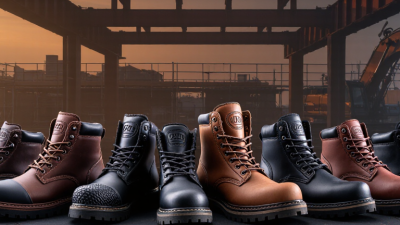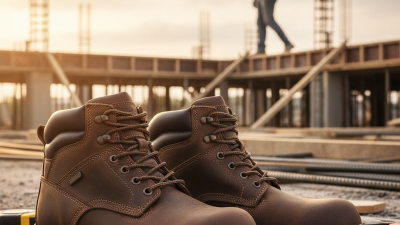
Choosing the right Work Boots is more complex than comparing leather, color, and price. Global buyers face different job hazards, climates, sizing systems, and workplace requirements. A boot built for a dry construction site may fail in freezing warehouses or wet agricultural fields. Small details matter. Think steel toes, slip-resistant soles, waterproof membranes, heat-resistant outsoles, and secure ankle support.
William A. Rossi, a respected footwear consultant and author, observed, “The foot is the foundation of the body.” That principle remains practical today. A well-designed boot should support long shifts without creating pressure points. It should also match the worker’s movement, terrain, and exposure risks. Buyers must verify product testing, material specifications, and applicable regional safety standards. Labels alone are not enough.
This guide examines ten major types of Work Boots for international purchasing decisions. It covers steel-toe, composite-toe, alloy-toe, electrical-hazard, waterproof, insulated, metatarsal-guard, logger, wedge-sole, and pull-on designs. Each type serves a different working environment. Some offer excellent impact protection but feel heavy after twelve hours. Others are comfortable but provide limited protection in severe conditions. That trade-off deserves honest attention.
There is no universal best boot. Fit can vary between production batches. Comfort claims can also be subjective. Buyers should request samples, inspect stitching, test traction, and compare size charts before placing large orders. A careful evaluation may seem slower. It often prevents costly returns, worker complaints, and unsuitable inventory.
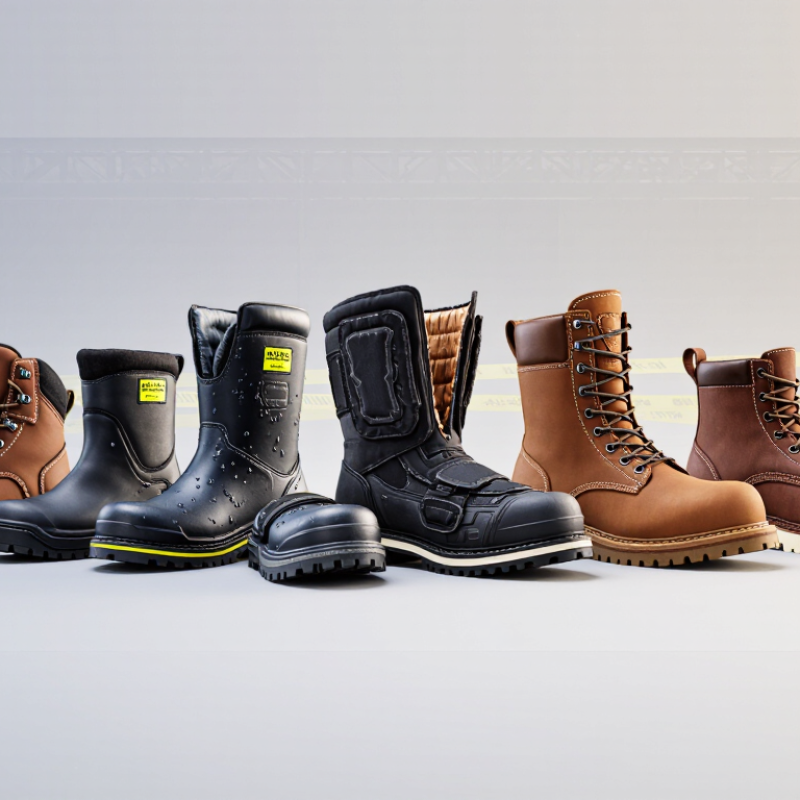
Work boots are purpose-built footwear designed to protect feet during demanding work. Unlike casual shoes, they combine a reinforced upper, supportive structure, and durable outsole. Common core features include impact-resistant toe protection, slip-resistant tread, cushioning, and secure fastening. Some models add puncture-resistant midsoles, electrical hazard protection, or water resistance. These features should match the actual workplace, not simply the product description.
From field experience, fit is as important as protection. A boot that rubs the heel can reduce concentration before the shift ends. The toe box needs room for natural movement, while the heel should stay stable on ladders or uneven ground. Materials also matter. Full-grain leather can resist abrasion, while synthetic textiles may reduce weight and improve drying. Breathability is often overlooked. Wet socks create discomfort and may encourage skin irritation.
Global buyers should check construction details, test reports, and applicable safety requirements in the destination market. Terms such as “slip resistant” may reflect different testing methods, so evidence matters. Examine stitching, sole bonding, eyelets, and replaceable insoles before placing large orders. No boot is perfect. Heavy protection can increase weight, while flexible designs may offer less support. Even experienced buyers should question whether a feature solves a real hazard or merely sounds impressive.
Top 10 Types of Work Boots for Global Buyers
Top 10 Types of Work Boots and Their Main Applications
Work boots should match workplace hazards, climate, and daily movement. The ten practical types include steel-toe boots for heavy construction, composite-toe boots near electrical risks, and alloy-toe boots for lighter industrial work. Metatarsal-guard boots protect the upper foot from falling materials. Electrical-hazard boots reduce conductive risks on suitable job sites. Slip-resistant boots help kitchen, healthcare, and wet-floor workers. Waterproof boots suit agriculture, utilities, and rainy outdoor projects. Insulated boots support cold-storage and winter operations. Puncture-resistant boots protect workers around nails, scrap, and sharp debris. Wellington boots perform well in mud, standing water, and chemical-free wash areas.
Application matters more than appearance. A warehouse worker may need flexible slip-resistant footwear, while a welder often needs heat-resistant leather and secure ankle coverage. Forestry crews may require aggressive traction and reinforced protection. I have seen buyers choose heavy boots for simple indoor tasks, then complain about fatigue by midday. That choice deserves reconsideration. Comfort, toe room, sole grip, stitching, and replaceable insoles affect real performance. Safety ratings also vary by region, so buyers should verify current workplace requirements before ordering large quantities.
Tips: Check the hazard assessment first. Measure feet at the end of a shift. Test boots with work socks. Leave toe movement, but avoid heel lift. Inspect seams and soles regularly. No boot lasts forever.
Top 10 Types of Work Boots for Global Buyers
Safety Standards, Materials, and Protective Technologies
Work boot selection starts with the hazard, not the appearance. Common options include steel-toe, composite-toe, alloy-toe, and metatarsal-guard boots. Each protects differently. Steel handles heavy impact well, while composite materials reduce weight and resist temperature transfer. Alloy toes offer more internal space, but they may conduct heat or cold faster.
Electrical-hazard boots require carefully tested insulating construction. Slip-resistant soles help on oily floors, though no outsole prevents every fall. Waterproof designs use sealed seams and protective membranes. Heat-resistant boots suit foundries, kitchens, and roadwork. Chemical-resistant materials need compatibility checks because rubber, leather, and synthetic compounds react differently. Puncture-resistant midsoles add protection against nails and sharp scrap.
Look for recognized testing marks, such as ASTM, EN, or ISO references, according to the buyer’s destination and workplace rules. Requirements can differ between countries and industries. A certificate should match the exact model, not merely the product family. Check toe impact ratings, sole performance, electrical limits, and temperature ranges before ordering.
Material quality matters during long shifts. Full-grain leather can develop useful flexibility, but it needs maintenance. Synthetic uppers often dry faster and reduce weight. Fit remains essential. A certified boot can still cause blisters if the heel lifts or the toe box compresses. I have found that product descriptions sometimes sound stronger than field performance. Buyers should request test documents, sample pairs, and clear replacement guidance before placing large orders.
The chart compares the number of major protection functions commonly specified for each boot type, including impact protection, compression resistance, electrical hazard protection, puncture resistance, slip resistance, metatarsal protection, heat resistance, water resistance, and cold insulation. Buyers should verify the exact certification and performance level, such as ASTM F2413, EN ISO 20345, or CSA Z195, for each product.
Choosing work boots starts with the workplace, not the product label. The International Labour Organization reported 2.93 million work-related deaths globally in 2024. That figure shows why hazard assessment must guide every purchase.
For wet warehouses, choose waterproof and slip-resistant boots. For construction sites, steel-toe, composite-toe, or alloy-toe designs may suit different impact risks. Metatarsal-guard boots protect the upper foot, while puncture-resistant soles help around nails and sharp scrap.
Match other types to specific exposure. Heat-resistant boots fit foundries and asphalt areas. Chemical-resistant materials suit controlled industrial handling. Electrical-hazard-rated boots require careful verification and proper workplace procedures. Insulated boots help in cold storage, but they can feel bulky during long shifts.
Check ASTM F2413, EN ISO 20345, or another recognized regional standard.
Certification alone is not enough.
My own buying mistake was trusting a thick sole without testing the heel grip. It looked secure, but wet tile exposed its weakness.
Small details matter: toe clearance, arch support, stitching, drainage, and replacement parts. The U.S. Bureau of Labor Statistics recorded 5,283 fatal occupational injuries in 2023, including 1,075 in construction.
Boots cannot remove every danger, but suitable protection can support a broader safety system. Ask workers to walk, kneel, climb, and stand before approving a bulk order. A checklist helps. It can still miss real fatigue, heat, or poor fit.
Top 10 Types of Work Boots for Global Buyers
Global Buying Factors: Sizing, Certifications, and Supplier Evaluation
Buying work boots across borders involves more than choosing leather, rubber, or a safety toe. Foot measurements differ between regions, even when the printed size looks identical. Ask suppliers for an insole length chart, toe-box width, and fitting photos. Measure feet at the end of the workday, when swelling is more likely. A conversion chart helps, but it is not enough. I have seen workers receive correct labeled sizes with uncomfortable narrow toes.
Certification requirements must match the destination market and boot design. Protective footwear may require standards such as EN ISO 20345, ASTM F2413, or CSA Z195. Check the exact clauses for impact resistance, puncture protection, slip resistance, and electrical properties. Request current test reports from accredited laboratories, not only factory-made certificates. Test reports should identify the model, materials, production site, and test date. Documents can look convincing and still be incomplete.
Supplier evaluation should combine records with practical inspection. Review sample consistency, material traceability, molding quality, stitching, and outsole adhesion. Ask about audit results, corrective actions, minimum order quantities, and replacement procedures. During a factory visit, inspect random pairs from different cartons. Small defects matter. One loose eyelet may become a serious failure in daily use. Lead times also deserve written confirmation, especially before seasonal orders. I would not approve a supplier from one perfect sample alone; repeated production is the harder test.