What Are the Top Promotional Items for 2026?
Choosing the right promotional items for 2026 will require more than printing a logo on another disposable product. Buyers are becoming more selective about usefulness, material quality, and environmental responsibility. A branded item should earn space on a desk, in a travel bag, or beside a coffee machine. Otherwise, it may be remembered briefly and discarded quickly.
The strongest options will likely combine everyday function with thoughtful design. Reusable drinkware, compact tech accessories, wellness products, and practical work tools can support repeated brand exposure. For example, a leak-resistant bottle used during a commute creates more value than a fragile giveaway. Recycled fabrics, repairable construction, and minimal packaging may also influence purchasing decisions. However, sustainability claims need evidence. A green label alone is not enough.
This guide examines the top promotional items expected to matter in 2026. It considers durability, audience fit, branding potential, and responsible sourcing. Industry experience suggests that useful products often outperform flashy novelties. Still, no item works for every campaign. A premium notebook may impress a conference audience but fail with a hands-on outdoor team. Context matters.
Some predictions may prove imperfect. Consumer preferences change quickly, and emerging technology can reshape promotional strategies within months. That uncertainty deserves attention. The goal is not to chase every trend. It is to choose promotional items that people genuinely use, trust, and remember for the right reasons.
Definition and Role of Promotional Items in 2026
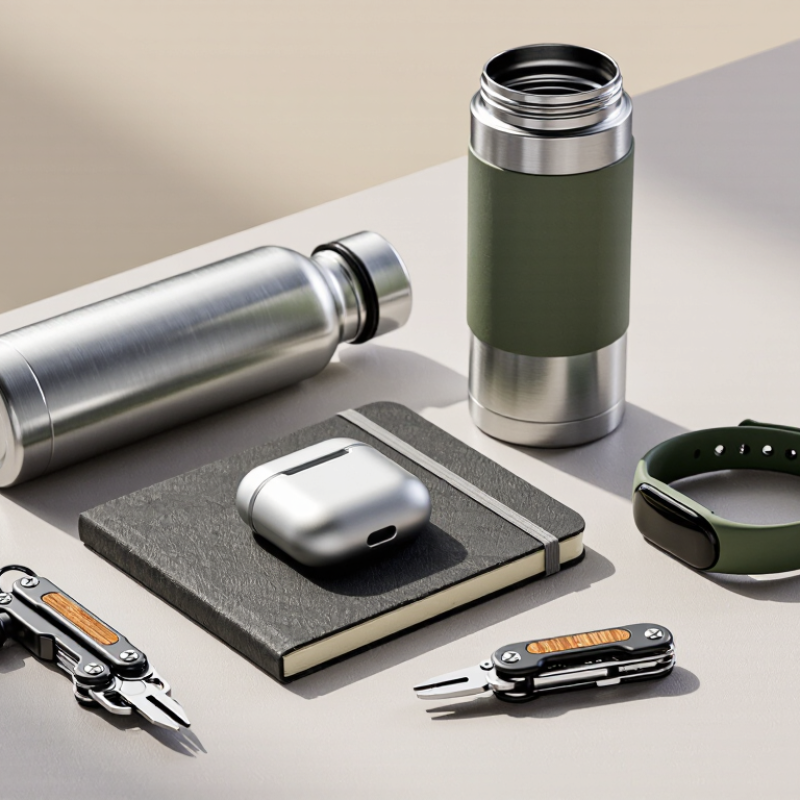
In 2026, promotional items are physical or useful digital objects given to support a marketing, event, or community goal. They carry a message, symbol, or practical reminder connected to an organization. Examples include reusable bottles, notebooks, transit pouches, desk tools, and permission-based digital vouchers. The item is not the campaign itself. Its role is repeated, everyday contact.
Effective teams treat each item as a communication tool, not free clutter. Selection begins with audience needs, setting, durability, accessibility, and measurable purpose. A compact rain cover may help commuters remember a service during wet evening walks. At a conference, a clearly labeled cable organizer can reduce desk mess and support recall.
Practical value matters. However, usefulness alone does not prove success. Track qualified inquiries, event participation, reuse rates, and feedback rather than counting distribution.
Responsible Practice in 2026
Responsible practice is central in 2026. Materials should be described accurately, and disposal guidance should be easy to find. Teams also need consent before sending digital items or collecting personal information. Generic sustainability claims can mislead.
That point deserves scrutiny. Campaign planners sometimes choose attractive objects before defining the audience problem. That is a costly weakness.
A better process tests a small batch, records honest reactions, and changes the design when evidence disagrees. Even a well-made item can fail if people cannot use it.
A misprinted instruction can damage trust faster than a clever design can build it.
Key Trends Shaping Promotional Product Choices
What Are the Top Promotional Items for 2026?
Key Trends Shaping Promotional Product Choices
Promotional choices are shifting from novelty toward everyday usefulness. A sturdy insulated bottle, a compact charging cable, or a soft tote earns attention when it fits naturally into someone’s routine. ASI’s 2023 Ad Impressions Study found that 85% of recipients remembered the advertiser on a promotional product, while 83% had done business with that advertiser. Those figures suggest that useful objects can keep a message visible well beyond an event. But visibility alone is not a strategy. A drawer full of unused giveaways tells a different story.
In 2026, buyers are likely to favor items that feel personal, durable, and easy to carry. Small details matter: a lid that does not leak, a notebook that lies flat, or packaging that avoids excess. Reusable materials may appeal to recipients, but claims should be specific and verifiable; “eco-friendly” is too vague on its own. Track engagement with simple follow-up questions, not just the number of items distributed. A little testing helps. Still, promotional products cannot fix a weak message, and even a well-made item may miss its audience. The best choices connect a clear purpose with a real, repeated use.
What Are the Top Promotional Items for 2026? - Key Trends Shaping Promotional Product Choices
A qualitative outlook based on practical product attributes and established purchasing considerations; trends are not ranked by market-share data.
| Product Category | Examples | 2026 Trend Signal | Why It Works | Selection Tip |
| Reusable drinkware | Insulated bottles, travel mugs, reusable cups | Everyday utility and reusable formats remain compelling choices. | Useful at work, while commuting, and during travel; repeated use can provide ongoing brand visibility. | Check capacity, leak resistance, cleaning instructions, and material details. |
| Reusable bags | Tote bags, foldable shopping bags, compact backpacks | Practical carry goods suit events, errands, and daily commutes. | They can carry other event materials and have broad everyday uses. | Prioritize durable stitching, useful capacity, and a design recipients will reuse. |
| Tech accessories | Charging cables, power banks, laptop sleeves, device stands | Work and travel accessories remain relevant for connected audiences. | They address common device needs at desks, events, and on the move. | State compatibility and capacity clearly; check applicable safety and transport requirements. |
| Comfortable apparel | T-shirts, sweatshirts, caps, lightweight outerwear | Wearable items work best when they feel like clothing people would choose themselves. | Comfort, fit, and versatile styling can encourage wear beyond the event. | Offer inclusive sizing and restrained, easy-to-wear designs. |
| Desk and work essentials | Notebooks, pens, desk organizers, mouse pads | Simple, functional tools suit office, study, and event settings. | They are easy to distribute and can support everyday tasks. | Choose reliable writing or organizational features and avoid unnecessary packaging. |
| Wellness and outdoor items | Cooling towels, compact first-aid kits, sunscreen holders, picnic accessories | Event-specific and activity-focused products can make giveaways more relevant. | They provide practical value at outdoor events, community activities, and trips. | Match the item to the setting and season; check care and safety information. |
| Lower-impact material options | Products made with recycled, recycled-content, or responsibly sourced materials | Material transparency is an important consideration in product selection. | Clear material information helps buyers assess products against their sustainability goals. | Verify specific material claims and certifications; do not treat a material label alone as proof of overall impact. |
| Personalized, well-designed gifts | Small gift sets, custom notebooks, event-specific accessories | Useful items with thoughtful design can feel more relevant than generic giveaways. | Audience and occasion fit can improve perceived usefulness and recipient experience. | Keep customization readable and choose products that suit the recipient and occasion. |
Top Promotional Item Categories for 2026
Top Promotional Item Categories for 2026
Promotional products are becoming more useful, measurable, and environmentally thoughtful. PPAI’s 2024 Sales Volume Study reported a US industry value of about $26.6 billion in 2023. For 2026, practical categories should lead. Reusable drinkware remains strong because it travels through offices, gyms, and commutes. Tech accessories, such as charging cables and laptop sleeves, also fit daily routines. Apparel and lightweight bags offer large branding areas, but quality matters. A poorly fitted shirt becomes closet clutter.
Sustainable materials will influence purchasing decisions, yet “eco-friendly” claims need evidence. Look for recycled content, clear material details, and longer product life. Wellness items may grow too, including journals, desk accessories, and compact fitness products. They support healthier workplace habits without making medical promises. ASI’s Ad Impressions Study found promotional products generated an average of 5,038 impressions during their lifetimes. That figure supports useful products, not disposable giveaways.
Tips: Match the item to the recipient’s routine. Test one sample first. Check print durability, packaging, and shipping impact. Add a QR code only when the landing page works well on mobile. Measure redemption, website visits, or repeat use. PPAI research shows product quality strongly affects whether recipients keep promotional items. Still, data should not replace judgment. A popular category can fail when the color, size, or message feels careless. That uncomfortable detail is easy to miss.
How to Match Items with Audiences and Campaign Goals
The strongest promotional item for 2026 may not be the most expensive one. It should fit the audience, the message, and the moment. In recent campaign planning, I have seen useful items earn attention longer than novelty products. A commuter may value a compact charging cable. A conference attendee may prefer a reusable notebook with sturdy paper. Families often respond better to practical home items. Small details matter. Ask how the item will be used after the event.
Match the product to one clear campaign goal. For brand awareness, choose visible, durable items that travel through daily routines. For lead generation, use a useful item as a reason to start a conversation. For customer retention, offer something that recognizes continued participation, not just a first purchase. Environmental claims require evidence. Choose materials with traceable sourcing and explain disposal clearly. Reusable does not automatically mean responsible. That assumption deserves review.
Audience research should guide quantity, design, and distribution. A technical audience may appreciate precise tools, while creative teams may enjoy flexible desk accessories. Personalization can improve relevance, but excessive printing may increase waste and costs. Test a small batch first. Measure redemption, repeat use, feedback, and complaints. I have learned that attractive items can still fail when they are awkward to carry or difficult to clean. Leave room to revise the plan. Campaign data often challenges the original idea.
Criteria for Evaluating Cost, Sustainability, and Impact
What Are the Top Promotional Items for 2026?
A useful promotional item earns its place in someone’s daily routine. Start by comparing total cost, not just the price printed on a supplier quote. Add setup fees, packaging, delivery, and storage. A low-cost pen may look efficient until its ink skips after a week. A sturdier notebook may cost more but stay on a desk for months. Ask for a sample before ordering. Use it yourself. Small flaws become obvious fast.
Sustainability needs the same practical scrutiny. Check what the item is made from, how long it is likely to last, and whether local recycling services accept it. Recycled material alone does not guarantee a better choice; a product that breaks quickly can create more waste.
Impact matters, too. Will recipients use the item, or leave it in a conference bag? A compact umbrella, reusable lunch container, or well-made tote may serve a clear purpose, depending on the audience and setting. Track redemption, follow-up feedback, and repeat use where possible. Those measures are imperfect. People may forget to respond, and visibility is not the same as influence. Still, a simple comparison of cost per item, expected lifespan, and recipient response can make the next order more thoughtful.