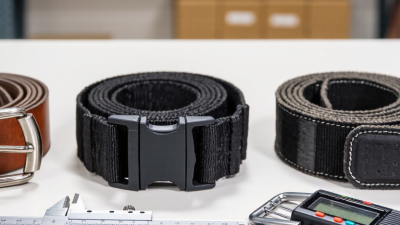
Training Belts are often seen on powerlifters, but their purpose is more specific than simply “protecting the back.” A properly fitted belt gives the lifter a firm surface to brace against during demanding lifts, such as squats and deadlifts. That pressure can help some experienced lifters maintain a strong trunk position. It does not lift the weight for them. And it is not a guarantee against injury.
Dr. Stuart McGill, a spine biomechanics researcher and professor emeritus at the University of Waterloo, has written extensively about spinal mechanics and bracing. A fair paraphrase of his guidance is that a belt can support bracing, but cannot replace it. The distinction matters. A belt worn loosely, or used without learning how to brace, may offer little practical benefit. Even a well-fitted belt can feel restrictive at first.
This guide explains what Training Belts do, who may benefit from using one, and how fit, material, and belt width affect everyday training. It also considers when a belt may be unnecessary. A useful detail: the belt should feel secure around the torso, not painfully tight, and should allow a full breath before a lift. Small adjustments matter. Still, research and individual responses vary, so no single belt suits every lifter. That uncertainty deserves a place in the conversation. The goal is informed use, not pressure to buy equipment.
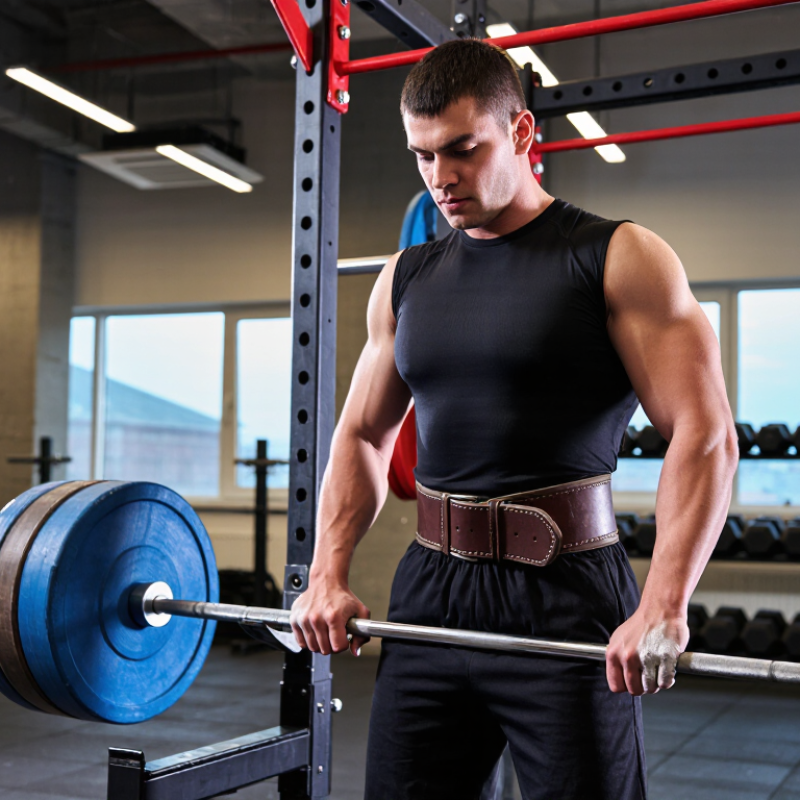
A training belt is a firm band worn around the waist during selected strength exercises. It does not hold the spine in place or do the lifting for you. Instead, it gives your abdomen a surface to brace against. With a deep breath and controlled trunk tension, you can create pressure around your midsection. This may help you keep your torso more rigid during heavy squats or deadlifts. The belt should feel snug, not painfully tight.
A belt works best when you brace before the hardest part of a lift, rather than relying on it to fix your position. You should still be able to breathe and move between repetitions. Some lifters find the pressure cue helpful; others need practice to coordinate it. It can feel awkward at first. A belt is not a guarantee against injury, and lighter training often does not require one. If you have pain or a medical concern, ask a qualified health professional before changing your lifting routine.
Tips: Try the belt with a light load first. Breathe into your abdomen, then gently press your trunk outward against the belt. If you cannot brace comfortably, loosen it or seek guidance from a qualified strength coach.
Training belts are mainly used to support bracing during heavy lifts, not to hold the back rigid. A snug belt gives the abdomen something to press against while the lifter braces. This can help maintain a firm trunk during squats and deadlifts. The belt does not replace practiced technique. Not magic.
In a small laboratory study, Harman and colleagues tested ten experienced male lifters. They reported that belt use increased intra-abdominal pressure by about 15% and lifting speed by about 10% during the tested lifts (Medicine & Science in Sports & Exercise, 1989). Those figures describe a specific experiment, not a guaranteed result for every person or exercise.
Lander and colleagues also studied belts during repeated squats and reported performance differences between belt and no-belt conditions (Medicine & Science in Sports & Exercise, 1992). The studies support a potential bracing and performance role, but they do not show that a belt prevents every lifting injury.
Use a belt when the load and your training call for stronger bracing, rather than for every warm-up set. Fit matters: it should feel secure without making a full breath difficult. A belt can also become a crutch if you rely on it before learning to brace unaided. That part is easy to overlook.
Training belts are commonly used during heavy resistance exercises, including barbell squats and deadlifts. Some weightlifters also wear them for selected Olympic-style lifts. The belt gives the torso a firm surface to brace against; it does not lift the weight or replace good technique. Lifters may find it useful when maintaining a steady trunk position under challenging loads. Not every set needs one.
The American College of Sports Medicine’s 2024 fitness-trends survey gathered responses from 2,038 professionals across 38 countries. It tracks industry trends, however, not whether belts prevent injuries or improve performance.
A belt may suit a planned heavy set, but lighter practice and warm-ups often allow lifters to focus on breathing and bracing without one. The World Health Organization recommends muscle-strengthening activity on at least two days each week for adults, alongside its aerobic activity guidelines. That guidance does not prescribe belts.
I would question a routine that requires one for every lift; dependence can make it harder to notice rushed setup or inconsistent bracing. A snug fit matters, too. Too tight, and deep breathing becomes awkward.
Choose a training belt that feels firm, not restrictive. A wider belt may suit heavy squats and deadlifts, while a narrower profile can feel less intrusive during other lifts. The right width depends on your torso and how you move, so try it in your usual lifting position. Check that the buckle or lever is easy to adjust between sets. Fit matters.
Position the belt around your abdomen, often near the navel, then adjust it so you can still take a full breath. Before a challenging repetition, inhale and brace your trunk outward against the belt. It should give you something to brace against, not do the bracing for you. Practice with a light load first. The belt may sit slightly differently for a squat than for a deadlift; small adjustments are normal. If it pinches your ribs or hips, loosen or reposition it. A common mistake is pulling it as tight as possible. That can make breathing and setup harder, and it does not automatically improve lifting technique. Use the belt for lifts where you need extra support, rather than wearing it through every warm-up or accessory exercise.
A training belt can help lifters brace their trunk during heavy compound lifts. This practical guide rates typical usefulness from 0 (usually unnecessary) to 2 (often useful for heavy working sets); it is guidance, not measured research data. A belt does not replace sound technique or bracing.
Training belts are commonly used during heavy squats, deadlifts, and other demanding lifts. They give the trunk a firm surface to brace against. This can help some lifters create stronger abdominal pressure and keep their torso steady. A belt does not lift the weight for you. It is a support tool, not a substitute for sound technique.
The benefit is most relevant when a lifter already knows how to brace and is working with challenging loads. For lighter sets, a belt may add little. Relying on it for every exercise can also make training feel less natural. The first few sessions may feel awkward. That is normal, but it is worth checking whether the belt improves your movement rather than just your confidence. Belts do not guarantee injury prevention, and they cannot correct poor positioning or loads that are too heavy.
Wear the belt snugly, not so tight that you cannot breathe or move comfortably. Before a lift, take a controlled breath and brace your midsection against the belt; avoid holding your breath longer than the effort requires. Stop if you feel pain, numbness, or unusual pressure. People with existing back, abdominal, or breathing conditions should ask a qualified health professional before using one. During practice, start with a manageable weight and notice whether your ribs, hips, and spine stay controlled through the lift.